














Dental Bonding in Albuquerque, NM
What Is Dental Bonding?
A small chip or a gap between your front teeth can pull your attention every time you look in the mirror. Dental bonding fixes flaws like these in a single visit. Your dentist applies a tooth-colored composite resin directly to the tooth, shapes it by hand, then hardens it with a curing light. The whole process usually takes 30 to 60 minutes per tooth, with no lab work and rarely any need for numbing.
Bonding works well for chips, cracks, minor gaps, uneven edges, and small areas of discoloration. It can also protect a tooth root exposed by receding gums. For patients in Albuquerque, NM who want a noticeable improvement without a bigger procedure like Veneers, dental bonding is often the most practical starting point. The resin is matched to your natural shade, so the repair blends in rather than standing out.
Benefits of Dental Bonding
Dental bonding does a lot of work in a short appointment. Here's what makes it worth considering for chips, gaps, and uneven edges.
Done in a Single Painless Visit
Most bonding treatments take 30 to 60 minutes per tooth, and there's no lab work involved. Your dentist shapes the resin right in the chair, so you walk out with the repair already finished. There are no temporary restorations to worry about and no second appointment to book.
Your Natural Tooth Stays Intact
Unlike Veneers or Dental Crowns, bonding rarely requires removing enamel. The composite resin bonds directly to your tooth's surface, which means you keep more of your original tooth structure. Keeping the tooth as intact as possible makes it stronger and less sensitive long term.
Color-Matched to Blend Right In
The resin is tinted and layered to match the exact shade of your surrounding teeth. Once it's polished, even you may have trouble spotting where the bonding starts and your natural tooth ends. That seamless look is what makes bonding one of the most popular cosmetic fixes at Parkway Dental.
Is Dental Bonding Right for You?
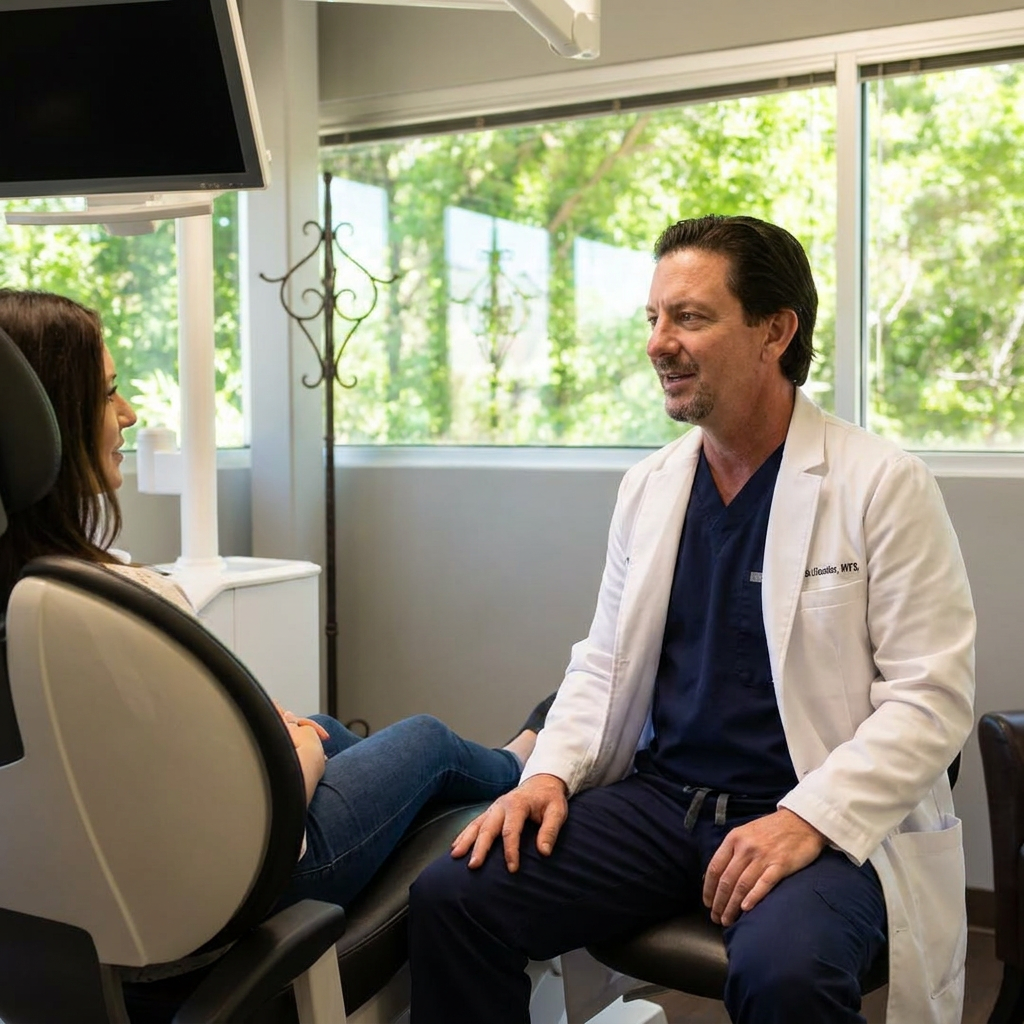
A small chip from biting into something hard. A hairline crack you notice every time you smile in photos. Maybe a gap between your front teeth that has always bothered you. These are the kinds of everyday concerns that dental bonding fixes in a single visit. It works well for adults and teens alike, and your dentist can color-match the resin so precisely that the repair blends right in with your natural enamel.
Bonding also helps when teeth are slightly uneven or worn down, or when old silver fillings need replacing with something that looks more natural, like Tooth Fillings. Patients exploring Veneers sometimes discover that bonding handles their concern just as well for smaller corrections. If your tooth structure is healthy but the appearance bugs you, dental bonding is a reliable, proven fix.
Advanced Dental Bonding Technology
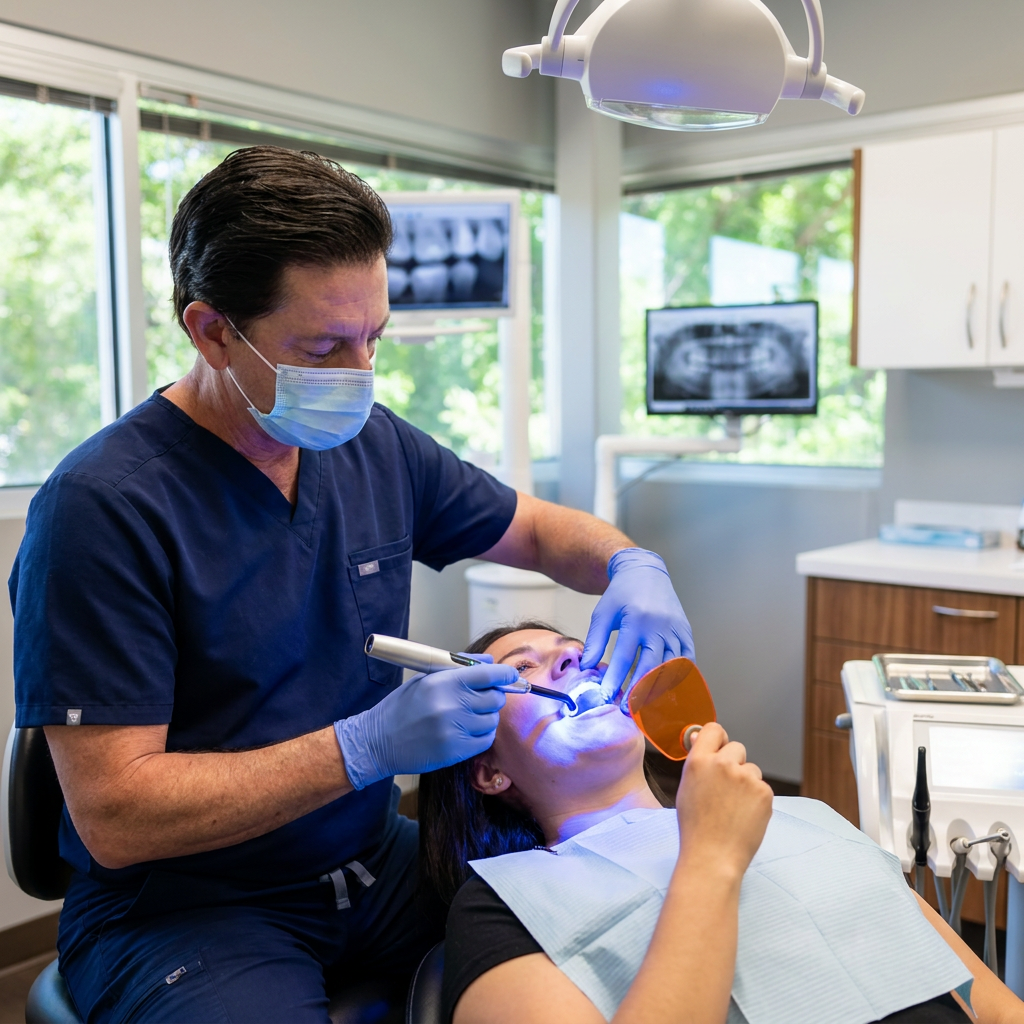
Today's composite resins are a different material than what dentists used even a decade ago. Modern formulas blend nano-filled particles that mimic the way real enamel reflects light, so a bonded tooth doesn't look flat or opaque next to your natural teeth. The resin is also stronger and more stain-resistant, which means repairs hold up better over years of daily use.
At Parkway Dental, shade matching starts with a detailed comparison under multiple lighting conditions, not just the overhead operatory light. This matters because a color that looks right under fluorescent bulbs can appear off in sunlight. The curing lights used to harden the resin now reach full strength in seconds, reducing chair time and producing a tighter bond at the molecular level. The result is a repair that feels smooth to your tongue and looks like it was always part of the tooth.
What to Expect During Your Visit
Dental bonding starts with your dentist selecting a composite resin shade that matches your natural teeth. No numbing is needed in most cases, since the process is painless. Your dentist lightly roughens the tooth surface, applies a conditioning liquid, then sculpts the resin directly onto the tooth. An ultraviolet light hardens the material in seconds. The whole visit typically runs 30 to 60 minutes per tooth.
You can eat and drink the same day. The bonded area may feel slightly different to your tongue at first, but that fades within a day or two. Avoid biting into hard objects like ice or pen caps, which can chip the resin. With normal care, bonded teeth hold up well for several years before needing a touch-up.
Before Your Appointment
- Skip coffee and dark tea the morning of your visit, since stains on the tooth surface can make shade matching less accurate.
- Eat a small meal about an hour beforehand so you're comfortable sitting still while the bonding resin is shaped and cured.
- Mention any spots where your teeth feel rough or chipped, even minor ones, so your dentist can check if bonding will work there too.
After Your Appointment
- Skip biting directly into hard foods like apples or carrots with bonded teeth for the first 48 hours while the resin fully sets.
- Brush gently around the bonded area with a soft-bristle toothbrush, and avoid whitening toothpaste, which can roughen the resin surface.
- Hold off on coffee, red wine, and dark berries for at least two days, since fresh bonding material picks up stains more easily than cured resin.
Why Our Patients {{p}}Love Us{{/p}}
Frequently Asked Questions
How long does dental bonding typically last?
Bonding material usually lasts 5 to 10 years depending on where it's placed and your habits. Teeth that take heavy biting force, like lower front teeth, may need touch-ups sooner than others.
Can dental bonding stain over time?
Yes. Composite resin picks up stains from coffee, tea, red wine, and tobacco more easily than natural enamel. Limiting those exposures and keeping up with Dental Cleanings helps the material stay closer to its original shade.
Is dental bonding a good option instead of Veneers?
Bonding works well for small chips, minor gaps, and slight discoloration. Veneers cover the entire front surface and resist staining longer, so your dentist may recommend them for larger corrections or multiple teeth.
Can I bite into hard foods with bonded teeth?
You can eat normally, but biting directly into ice, hard candy, or bone-in meat puts extra stress on bonded areas. Cutting harder foods into smaller pieces goes a long way toward protecting the repair.
Does dental bonding weaken the original tooth?
No. The process removes very little natural tooth structure, sometimes none at all. That's one reason dentists at Parkway Dental often choose bonding for small repairs: it preserves what's already healthy.
Stay Informed with Expert Insights & Tips About Dental Bonding

No Blog Posts Yet
We’re working on new articles to help you care for your smile. Check back soon for updates from Parkway Dental.
Let's Get You On The Schedule.
Request your appointment using the form below, or give our office a call to set up your visit.
Book Your Appointment Today
We welcome new patients and families to our Albuquerque practice. Call us or schedule online today.
Friday 8:00 AM – 12:00 PM (By Appointment Only)
Saturday - Sunday Closed

Thank you for booking your appointment!
We’ve received your request and will contact you soon to confirm the details. We look forward to seeing you at Parkway Dental!