

















Dental Bridges in Albuquerque, NM
What Are Dental Bridges?
A missing tooth does more than leave a gap in your smile. The teeth on either side start shifting into the empty space, your bite changes, and chewing becomes less efficient over time. Dental bridges solve this by anchoring a replacement tooth (called a pontic) to the healthy teeth next to the gap. Your dentist prepares those neighboring teeth with Dental Crowns, and the pontic sits between them, closing the space completely.
The result looks natural and feels stable. Modern dental bridges use porcelain or ceramic that your dentist shade-matches to your surrounding teeth, so the restoration blends right in. Most patients at Parkway Dental in Albuquerque, NM are back to eating normally within a week or two. And because a bridge keeps your remaining teeth from drifting, it protects the alignment of your whole bite going forward.
Benefits of Dental Bridges
Dental bridges do more than fill a space. They restore the way your bite works, protect surrounding teeth, and let you eat without thinking twice.
Finally Chew on Both Sides Again
A missing tooth forces you to favor one side of your mouth, which wears down those teeth faster. A bridge puts the other side back in play so you can bite into an apple or chew a steak without adjusting. That balance also takes pressure off your jaw joints and surrounding teeth.
Your Neighboring Teeth Stay Put
Teeth next to a gap tend to drift toward the open space over time, creating crooked spots and bite problems. A bridge holds everything in position, so the rest of your smile stays aligned. That stability also protects your jaw joints and makes cleaning the surrounding area much easier.
Looks and Feels Like Your Own Tooth
Your dentist matches the bridge to the exact shade and shape of your natural teeth. Most people, including you, won't be able to spot it. And because it's fixed in place, there's nothing to remove at night. It becomes part of your mouth and your routine the same way your natural teeth always were.
Could Dental Bridges Be Right for You?
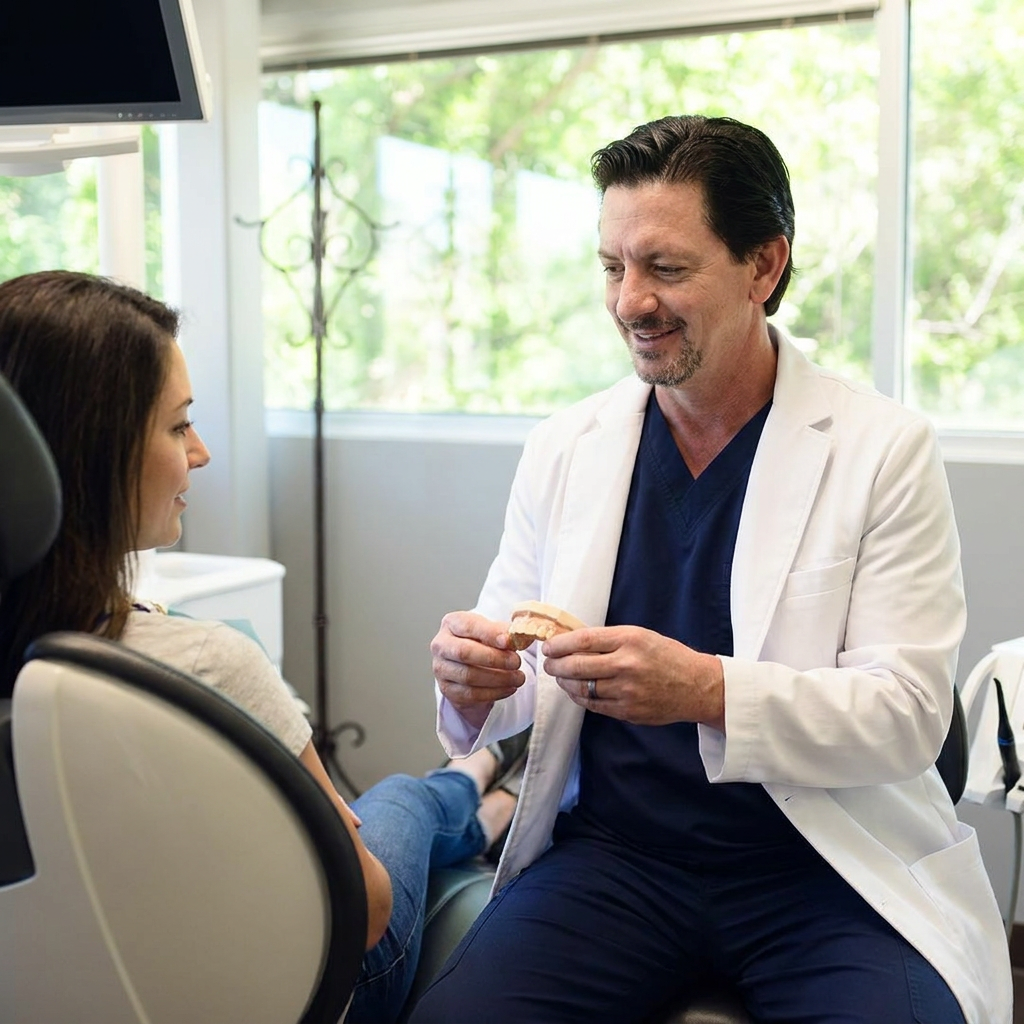
If you've lost a tooth to decay, injury, or tooth extractions and now deal with an awkward gap when you chew or talk, dental bridges can fill that space and feel natural doing it. The gap itself is more than a cosmetic issue. Neighboring teeth tend to drift toward the empty spot over time, which can throw off your bite and create new problems down the road.
Adults of all ages are good candidates, as long as the teeth on either side of the gap are healthy enough to support Dental Crowns that anchor the bridge. Your dentist at Parkway Dental will check those anchor teeth and your gum health during an exam to confirm a bridge is the right fit. For most people, it's a reliable, time-tested way to restore a complete bite.
Advanced Dental Bridges Technology
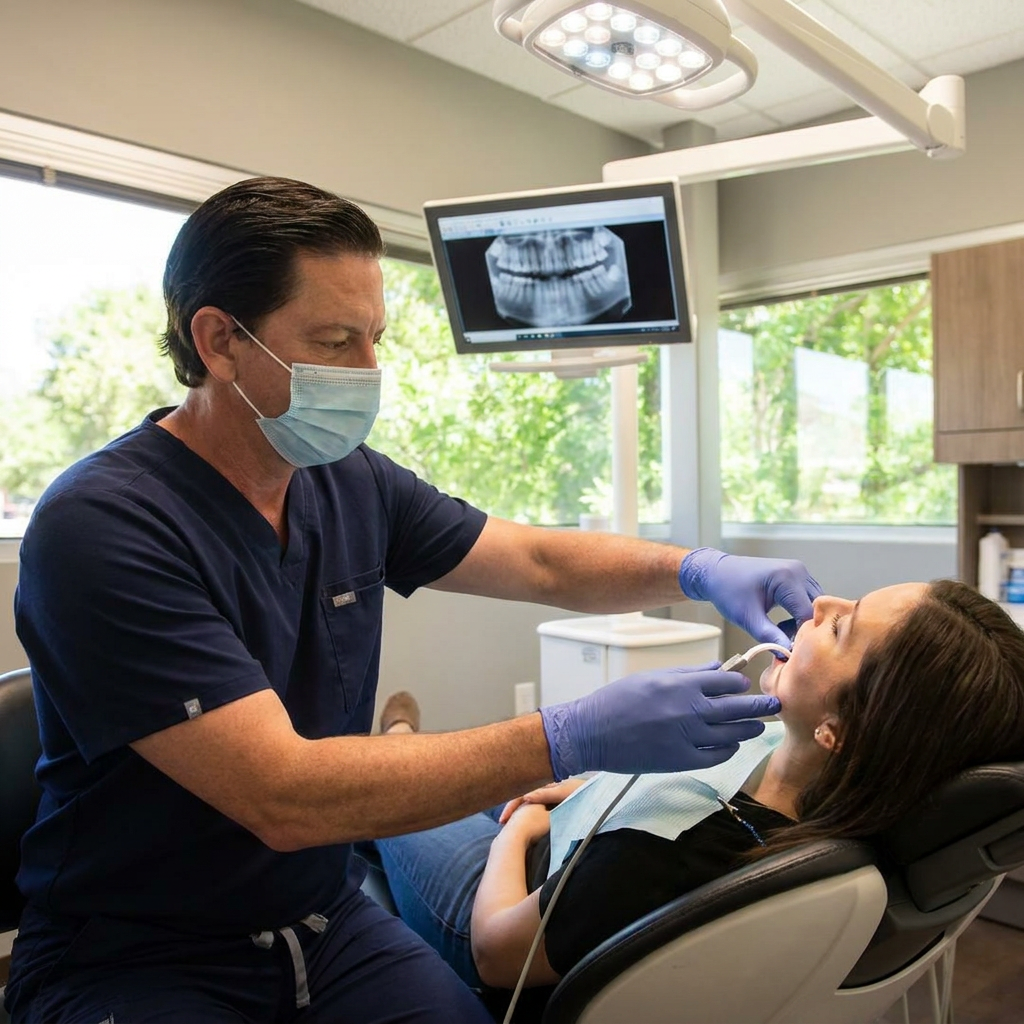
Digital impressions have replaced the thick putty trays that used to make getting a bridge uncomfortable. A small handheld scanner captures your teeth in a few minutes, building a 3D model accurate to about 50 microns. That precision means your bridge fits right the first time, with less adjustment in the chair. The digital file also lets your dentist plan the exact shape and contour of the pontic before any lab work begins.
The materials have changed too. Zirconia and pressed ceramic are now standard for most dental bridges because they handle bite force almost as well as natural enamel while looking indistinguishable from your real teeth. At Parkway Dental, these restorations are bonded with resin cements that create a stronger seal than older adhesives, which helps the bridge last longer and reduces sensitivity around the supporting teeth.
What to Expect During Your Visit
Your dentist starts by numbing the teeth on either side of the gap, so you'll feel pressure but no pain during the prep work. Those anchor teeth are reshaped just enough to fit dental crowns, and then a detailed impression captures the exact spacing your bridge needs. A temporary bridge goes on before you leave, and the whole visit usually takes about an hour.
Most people feel mild tenderness for a day or two, which fades quickly. You'll come back in roughly two weeks once the lab finishes your permanent bridge. At that appointment, your dentist checks the fit, makes small adjustments, and bonds the bridge into place. Within a few days, chewing feels normal again.
Before Your Appointment
- Eat a full meal before you arrive, since the numbness around your prepared teeth can last two to three hours afterward.
- Mention any sensitivity on the teeth next to the gap so your dentist can check those anchoring teeth before shaping them.
- Bring a list of medications you take daily, especially blood thinners, since prep work on abutment teeth involves soft tissue.
After Your Appointment
- Thread floss under the pontic daily using a floss threader or interdental brush to keep the gumline beneath your bridge clean.
- Stick to softer foods on the opposite side for the first two to three days while your abutment teeth adjust to the new bridge.
- Rinse gently with warm salt water two to three times a day for the first week to ease any gum tenderness around the abutments.
Why Our Patients {{p}}Love Us{{/p}}
Frequently Asked Questions
How long do dental bridges typically last?
Most dental bridges last 10 to 15 years, and some hold up even longer with good oral hygiene. Regular checkups let your dentist spot wear early so small fixes can extend the bridge's life.
Can I eat normally with dental bridges?
Yes. After the initial adjustment period of a week or two, most patients eat comfortably again. Biting into very hard or sticky foods like caramel apples puts extra stress on the bridge, so cutting those into pieces helps.
How are dental bridges different from dental implants?
Dental Implants replace the root itself with a titanium post set into the jawbone. Dental bridges anchor to your existing teeth on either side of the gap, so they don't require surgery or healing time in the bone.
Will a dental bridge affect the way I speak?
Some patients notice a slight change in speech for the first few days as their tongue adjusts to the new shape. This usually resolves on its own within a week as the muscles adapt to the restoration.
Do the teeth supporting a dental bridge need special long-term care?
The anchor teeth need consistent brushing and flossing, especially along the gumline where the bridge meets the tooth. A floss threader or water flosser makes cleaning under the bridge quick and straightforward.
Stay Informed with Expert Insights & Tips About Dental Bridges

No Blog Posts Yet
We’re working on new articles to help you care for your smile. Check back soon for updates from Parkway Dental.
Let's Get You On The Schedule.
Request your appointment using the form below, or give our office a call to set up your visit.
Book Your Appointment Today
We welcome new patients and families to our Albuquerque practice. Call us or schedule online today.
Friday 8:00 AM – 12:00 PM (By Appointment Only)
Saturday - Sunday Closed

Thank you for booking your appointment!
We’ve received your request and will contact you soon to confirm the details. We look forward to seeing you at Parkway Dental!