



















Inlays and Onlays in Albuquerque, NM
What Are Inlays and Onlays?
A large cavity or a cracked filling can leave you stuck between two options that both feel wrong. A standard filling might not cover enough surface area, and Dental Crowns require removing healthy tooth structure you would rather keep. Inlays and onlays sit right in that middle ground, restoring the damaged part of your tooth while leaving the rest untouched.
An inlay fits inside the cusps of a back tooth, filling the space where decay was removed. An onlay extends over one or more cusps when the damage reaches further. Both are custom-made from porcelain or pressed ceramic, bonded directly to the tooth so they become part of its structure. At Parkway Dental, your dentist uses inlays and onlays to save teeth that still have plenty of life left in them.
Benefits of Inlays and Onlays
Inlays and onlays sit in a sweet spot between fillings and full crowns, giving your tooth exactly the coverage it needs and nothing it doesn't.
Your Natural Tooth Stays Intact
Unlike dental crowns, which require reshaping the entire tooth, inlays and onlays only replace the damaged portion. Healthy enamel stays right where it is, which keeps the tooth stronger long term. That conservation is one of the key advantages over a full crown.
A Custom Fit Measured in Microns
Each restoration is milled or pressed to match the exact contours of your tooth. That precision means a tighter seal against bacteria and less chance of decay forming underneath over the years. A precise fit also reduces sensitivity and helps the restoration hold up under daily chewing forces.
Chew Without Thinking About It
Porcelain and ceramic onlays handle biting forces similar to natural enamel. Patients at Parkway Dental regularly tell us they forget which tooth was treated, even years after placement. That kind of durability and natural feel is exactly what you want from a restoration meant to last a decade or more.
Who Benefits from Inlays and Onlays?

If your dentist has pointed out a cavity that's too large for Tooth Fillings but not severe enough to need Dental Crowns, you're a good candidate. Inlays and onlays fill that middle ground perfectly. They work well for teeth with moderate decay, cracked cusps, or old metal fillings that have started to break down.
Adults in their 30s and older tend to need them most, since years of chewing and grinding wear teeth down gradually. You might also benefit if a back tooth has a fracture line that hasn't reached the nerve yet. Inlays and onlays preserve more of your healthy tooth structure than a full crown would, and porcelain or resin versions blend right in with your natural enamel.
Advanced Inlays and Onlays Technology
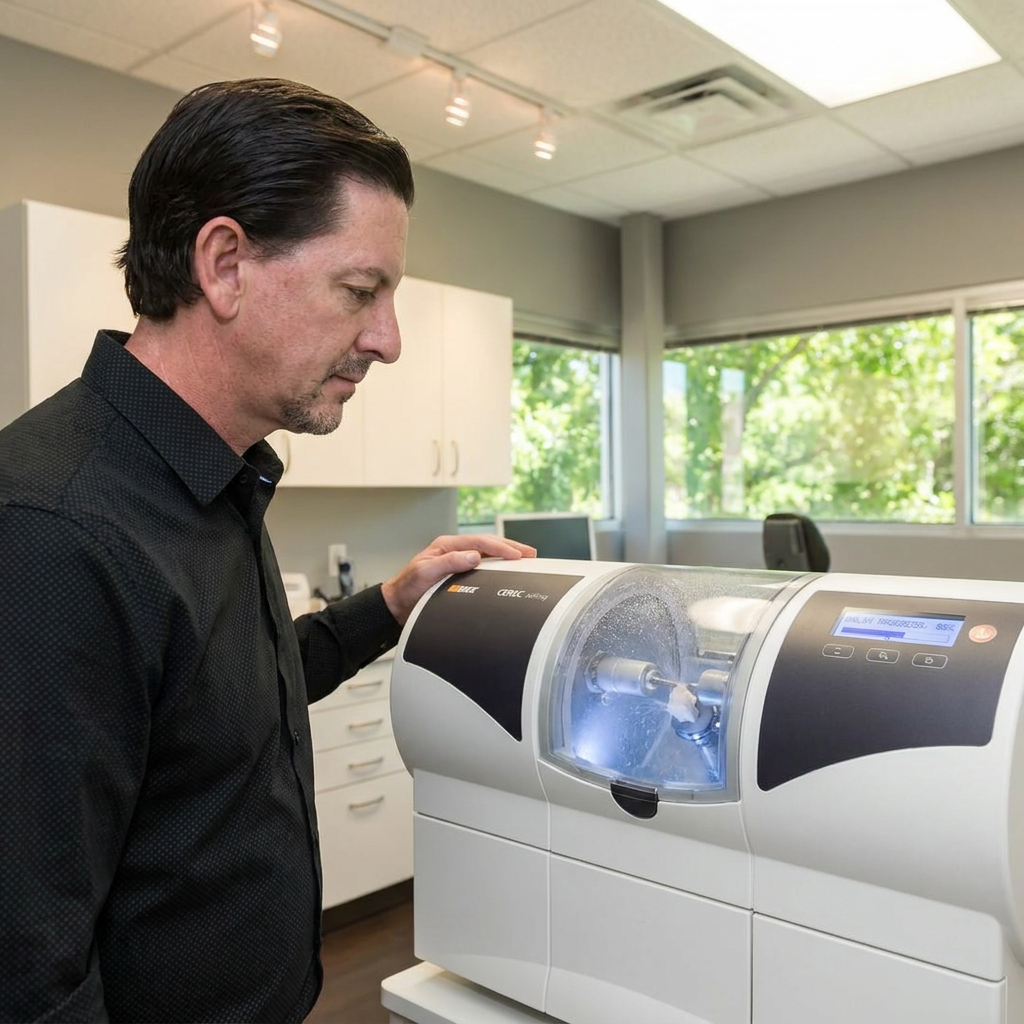
Digital scanning has replaced the putty impressions that used to leave patients fighting their gag reflex. A handheld wand captures thousands of data points across the tooth surface in about two minutes, building a 3D model accurate to roughly 40 microns. That digital file goes straight to an in-office milling unit or a partnered lab, depending on the case.
Today's pressed ceramic and lithium disilicate materials are a real step up from the metal or composite inlays and onlays placed a decade ago. They match natural enamel in both color and translucency, and they handle bite force the way your original tooth did. CAD software lets your dentist adjust the fit, contour, and contact points on screen before anything is fabricated, so the final restoration drops into place with minimal adjustment in the chair.
What to Expect During Your Visit
Your dentist starts by numbing the tooth and surrounding area, so you feel nothing beyond light pressure during the prep work. Once you are comfortable, the dentist removes any damaged or decayed material and shapes the remaining tooth surface. A detailed impression captures the exact contours, and a temporary filling protects the tooth while your custom inlay or onlay is crafted. The whole visit usually takes about 45 minutes.
At your second appointment, the dentist checks the fit, makes small adjustments if needed, and bonds the restoration permanently into place. Most patients feel normal within a day or two and can eat comfortably within 24 hours. A brief follow-up at your next routine visit confirms everything has settled in well.
Before Your Appointment
- Eat a full meal before you arrive, since the numbing around your tooth can last two to three hours after the prep work.
- Mention any sensitivity you've noticed on the tooth being treated so your dentist can adjust the prep approach.
- Skip chewing gum or sticky candy the morning of your visit to keep the tooth surface clean for bonding the restoration.
After Your Appointment
- Chew on the opposite side for the first 24 hours so the cement around your new inlay or onlay can fully set.
- Skip sticky foods like caramel and taffy for three to four days, since they can pull at the restoration before it bonds completely.
- Brush normally but switch to gentle strokes right around the inlay or onlay edges for the first week to avoid irritating the margins.
Why Our Patients {{p}}Love Us{{/p}}
Frequently Asked Questions
How long do inlays and onlays typically last?
Most inlays and onlays last 15 to 30 years depending on the material and where they're placed. Porcelain and gold tend to outlast composite resin. Regular checkups help catch any wear early.
Can I eat normally with inlays and onlays?
Yes. Once the restoration is fully bonded, you can chew just like you would with a natural tooth. Hard, crunchy, sticky foods are all fine. Most patients forget the restoration is even there.
What is the difference between inlays and onlays and dental crowns?
Inlays and onlays replace only the damaged portion of a tooth, so more of your healthy structure stays intact. Dental Crowns cover the entire visible tooth and are better suited when damage is more extensive.
Are inlays and onlays a good option if I grind my teeth?
They can work well, but grinding puts extra stress on any restoration. Your dentist may recommend Night Guards to protect the inlay or onlay while you sleep and extend its lifespan significantly.
Do inlays and onlays need to be replaced over time?
Not often. With good brushing, flossing, and routine Dental Cleanings, many last two decades or more. Your dentist checks the margins at each visit to spot any issues long before they become problems.
Stay Informed with Expert Insights & Tips About Inlays and Onlays

No Blog Posts Yet
We’re working on new articles to help you care for your smile. Check back soon for updates from Parkway Dental.
Let's Get You On The Schedule.
Request your appointment using the form below, or give our office a call to set up your visit.
Book Your Appointment Today
We welcome new patients and families to our Albuquerque practice. Call us or schedule online today.
Friday 8:00 AM – 12:00 PM (By Appointment Only)
Saturday - Sunday Closed

Thank you for booking your appointment!
We’ve received your request and will contact you soon to confirm the details. We look forward to seeing you at Parkway Dental!