


















Full Mouth Reconstruction in Albuquerque, NM
What Is Full Mouth Reconstruction?
When multiple teeth are damaged, worn down, or missing, everyday things like eating a meal or speaking clearly can become a real struggle. Full mouth reconstruction is a planned sequence of treatments that restores your entire bite, not just one tooth at a time. Your dentist evaluates your teeth, gums, jaw joints, and bone structure, then maps out the right combination of procedures to rebuild everything together.
The plan might include Dental Crowns to protect weakened teeth, Dental Implants to replace missing ones, or Periodontal Treatment to get your gums healthy before restorative work begins. Every case looks different because the starting point is different. At Parkway Dental, the goal is a mouth that functions the way it should and feels comfortable again.
Benefits of Full Mouth Reconstruction
Full mouth reconstruction addresses multiple problems in a single coordinated plan, so every repair supports the next one instead of working in isolation.
One Plan Instead of Piecemeal Fixes
Rather than patching one tooth at a time over years, your dentist maps out every restoration together. Dental Crowns, Dental Implants, and other treatments are sequenced so each step builds on the last. That coordination means fewer surprises and a more predictable path from start to finish.
Bite Alignment That Protects Your Work
Every restoration is designed around a corrected bite. When your upper and lower teeth meet evenly, you put less stress on each repair and reduce the chance of cracking or wearing down new work. Good bite alignment protects your jaw joints and helps each restoration last longer.
Eat Real Food Again, Not Just Soft Stuff
Patients with worn, broken, or missing teeth often avoid anything that requires real chewing. After full mouth reconstruction at Parkway Dental, most people return to steak, apples, and crusty bread within weeks of their final restoration.
Is Full Mouth Reconstruction Right for You?
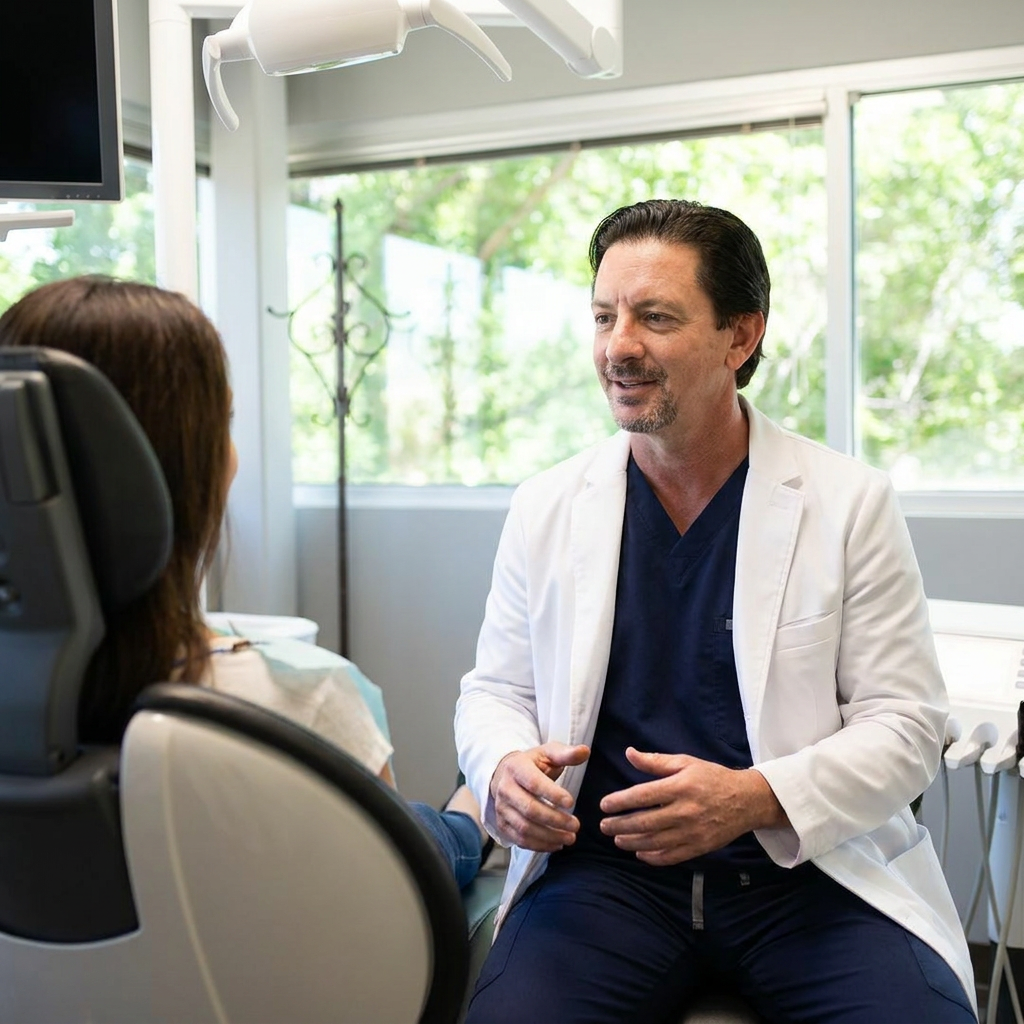
Years of dental problems have a way of compounding. A cracked tooth leads to a lost tooth, which shifts the bite, which wears down neighboring teeth faster. If you're dealing with multiple issues at once (broken or missing teeth, worn-down enamel, gum disease, jaw pain) full mouth reconstruction brings everything back into order through a single coordinated plan.
This approach works well for adults of all ages. Some patients arrive after years of putting off Dental Crowns or Periodontal Treatment, while others need rebuilding after an injury or long-term grinding. Your dentist at Parkway Dental evaluates every tooth, your gums, your jaw joints, and your bite before recommending anything. The goal is a mouth that functions the way it should and holds up for the long run.
Advanced Full Mouth Reconstruction Technology
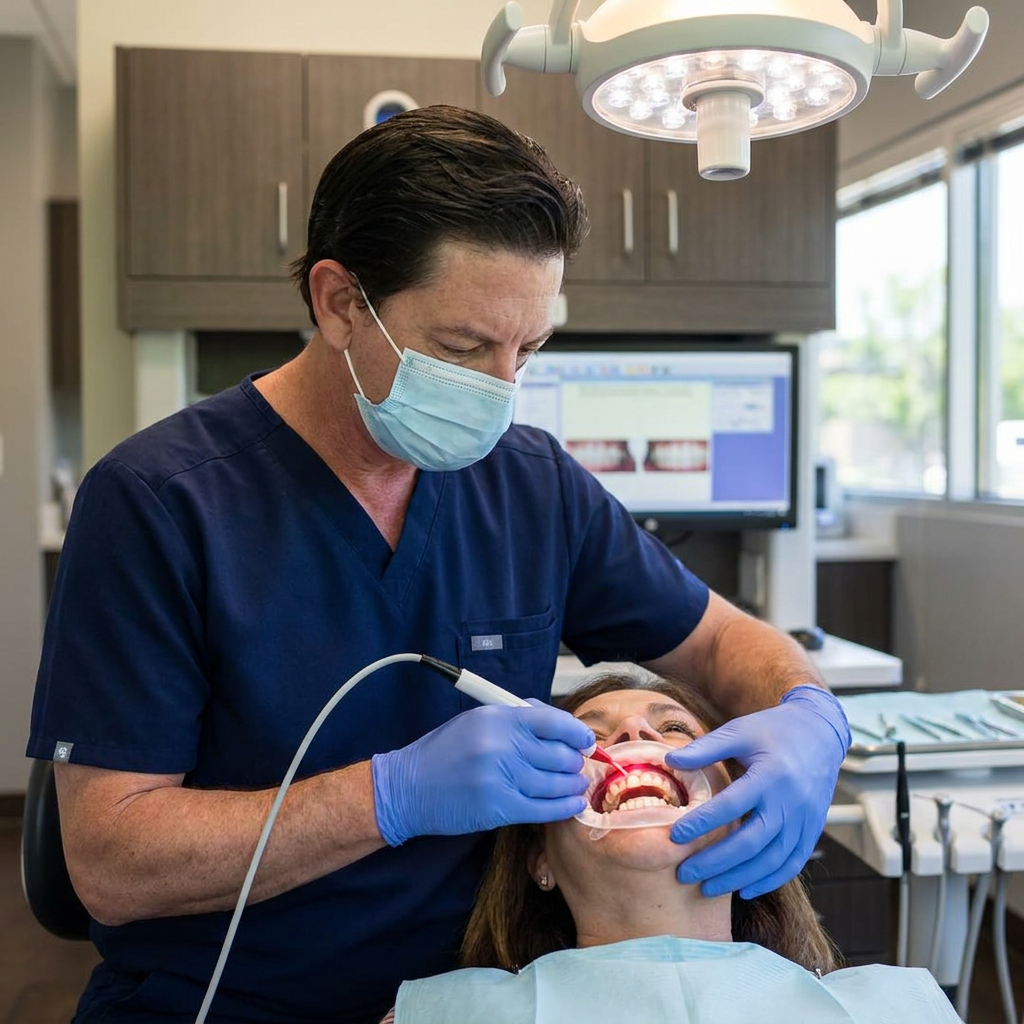
Planning a full mouth reconstruction used to rely on stone models and a lot of guesswork about how your upper and lower teeth would fit together. Digital scanning now captures your entire bite in minutes, building a 3D model accurate to roughly 50 microns. Your dentist can test different treatment sequences on screen before any work starts, which cuts down on surprises and extra appointments.
Cone beam CT imaging adds another layer of detail, showing bone density, nerve pathways, and sinus position in a single low-radiation scan. That information matters when placing Dental Implants or deciding if bone support is strong enough for a bridge. Parkway Dental in Albuquerque, NM uses these tools together so each phase of your reconstruction fits precisely with the next.
What to Expect During Your Visit
Full mouth reconstruction starts with a detailed exam, including digital X-rays and scans, so your dentist can map out every step before any work begins. Treatment typically happens across several visits spaced weeks apart, giving your mouth time to heal between phases. Each appointment focuses on a specific area or procedure, and your dentist keeps you comfortable with local anesthesia or Sedation Dentistry if needed. Most individual visits run one to three hours.
Between appointments, you may wear temporary restorations so you can eat and speak normally while healing. Soreness after each phase usually fades within a few days. Your dentist checks progress at every visit and adjusts the plan if anything changes. Most full mouth reconstruction plans wrap up within a few months, depending on complexity.
Before Your Appointment
- Bring a list of every medication you take, including supplements, since multiple procedures may require adjusting blood thinners or sedation doses.
- Eat a light meal two hours before your appointment, especially if sedation is part of your reconstruction plan for the day.
- Arrange a ride home and clear your schedule for the rest of the day, since full mouth reconstruction visits often run several hours.
After Your Appointment
- Stick to soft foods like smoothies, mashed potatoes, and soup for the first week as your gums heal around new restorations.
- Rinse gently with warm salt water after meals for the first two weeks, but avoid brushing directly on surgical sites until cleared.
- Hold off on hard, crunchy, or chewy foods for at least three to four weeks while crowns, implants, and other restorations fully settle.
Why Our Patients {{p}}Love Us{{/p}}
Frequently Asked Questions
How long do full mouth reconstruction results typically last?
Most restorations last 15 to 20 years or longer when you keep up with regular dental cleanings and daily brushing and flossing. Some components, like dental implants, can last a lifetime with proper care.
Can I eat normally after full mouth reconstruction is complete?
Once you've fully healed, you can eat foods you may have been avoiding for years. Patients often tell us biting into an apple or chewing steak feels normal again for the first time in a long time.
Am I too old for full mouth reconstruction?
Age alone is not a limiting factor. Your dentist evaluates overall health, bone density, and gum condition rather than age. Many patients in their 60s and 70s are strong candidates and see excellent results.
How often will I need follow-up visits after everything is finished?
Plan on checkups every six months, just like standard dental care. Your dentist will monitor your restorations for wear and catch small issues before they become bigger problems. X-rays are usually taken once a year.
Will full mouth reconstruction affect the way I speak?
Most patients notice their speech actually improves, especially if missing or damaged teeth were causing lisping or slurring. Any minor adjustment period with new restorations usually resolves within a week or two.
Stay Informed with Expert Insights & Tips About Full Mouth Reconstruction

No Blog Posts Yet
We’re working on new articles to help you care for your smile. Check back soon for updates from Parkway Dental.
Let's Get You On The Schedule.
Request your appointment using the form below, or give our office a call to set up your visit.
Book Your Appointment Today
We welcome new patients and families to our Albuquerque practice. Call us or schedule online today.
Friday 8:00 AM – 12:00 PM (By Appointment Only)
Saturday - Sunday Closed

Thank you for booking your appointment!
We’ve received your request and will contact you soon to confirm the details. We look forward to seeing you at Parkway Dental!