






















Exams & X-rays in Albuquerque, NM
What Are Exams & X-rays?
Exams & X-rays are how your dentist spots trouble before you feel it. Cavities between teeth, bone loss below the gumline, and infections forming at a root tip all develop silently. A thorough exam checks your teeth, gums, jaw joints, and soft tissues, while X-rays reveal what's hidden underneath. Together, they give your dentist the full picture needed to recommend the right next step.
At Parkway Dental in Albuquerque, NM, exams and X-rays also guide planning for services like Dental Cleanings and Periodontal Treatment. Your dentist looks for early signs of gum disease, cracks in older restorations, and changes in your bite. Catching these issues at a routine visit often means simpler, shorter treatment later on.
Benefits of Exams & X-rays
Regular exams and X-rays give your dentist a clear picture of what's happening now and what might need attention down the road.
Problems Found Small Stay Small
A tiny spot of decay caught on an X-ray today can often be fixed with tooth fillings in a single visit. That same spot left alone for a year could mean root canals or losing the tooth entirely. Catching problems early is always easier and less expensive than treating them once they have grown.
Your Full Mouth in Sharp Detail
Digital X-rays produce high-resolution images at a fraction of the radiation older film required. Your dentist can zoom in on individual roots, check bone levels, and spot hidden issues between teeth that no mirror can reach.
Your Baseline That Tracks Change
Each set of exams and X-rays builds on the last. The team at Parkway Dental compares current images to previous ones, so even subtle shifts in bone density or tooth position get flagged early, not after symptoms appear. That running record is one of the most valuable tools your dentist has.
Who Needs Exams & X-rays?
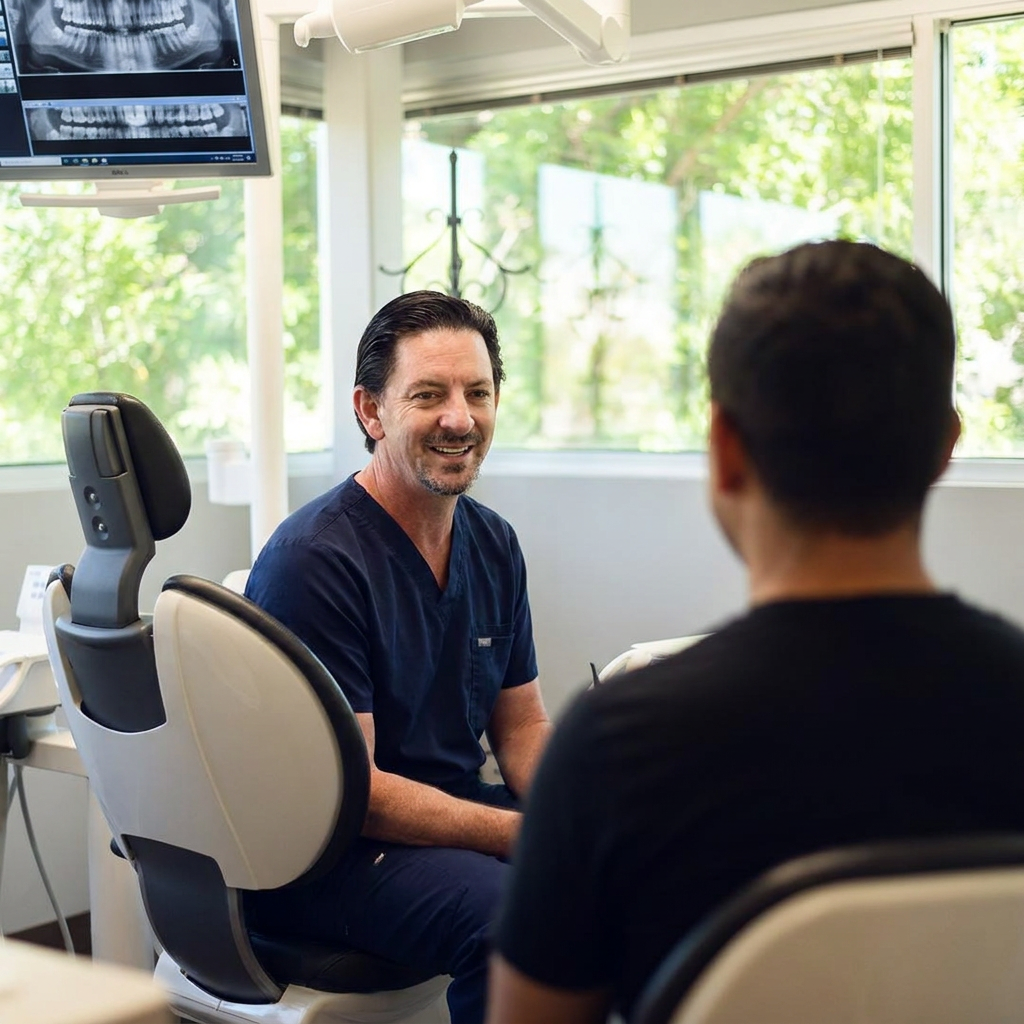
If it has been more than six months since your last dental visit, you are due. That applies to adults, teens, and children old enough for their first teeth. Exams & X-rays are also critical when something feels off, like a dull ache that comes and goes, sensitivity to cold drinks, or gums that bleed when you brush. Catching these signs early often means the difference between Tooth Fillings and Root Canals.
Kids benefit just as much as adults. Pediatric Dentistry visits that include routine exams and X-rays help track jaw growth and spot decay before it spreads. Patients with chronic conditions like diabetes or dry mouth need more frequent screening, too. No matter your age or how long it has been, exams and X-rays at Parkway Dental give your dentist a clear, reliable picture of what is happening above and below the gumline.
Advanced Exams & X-rays Technology
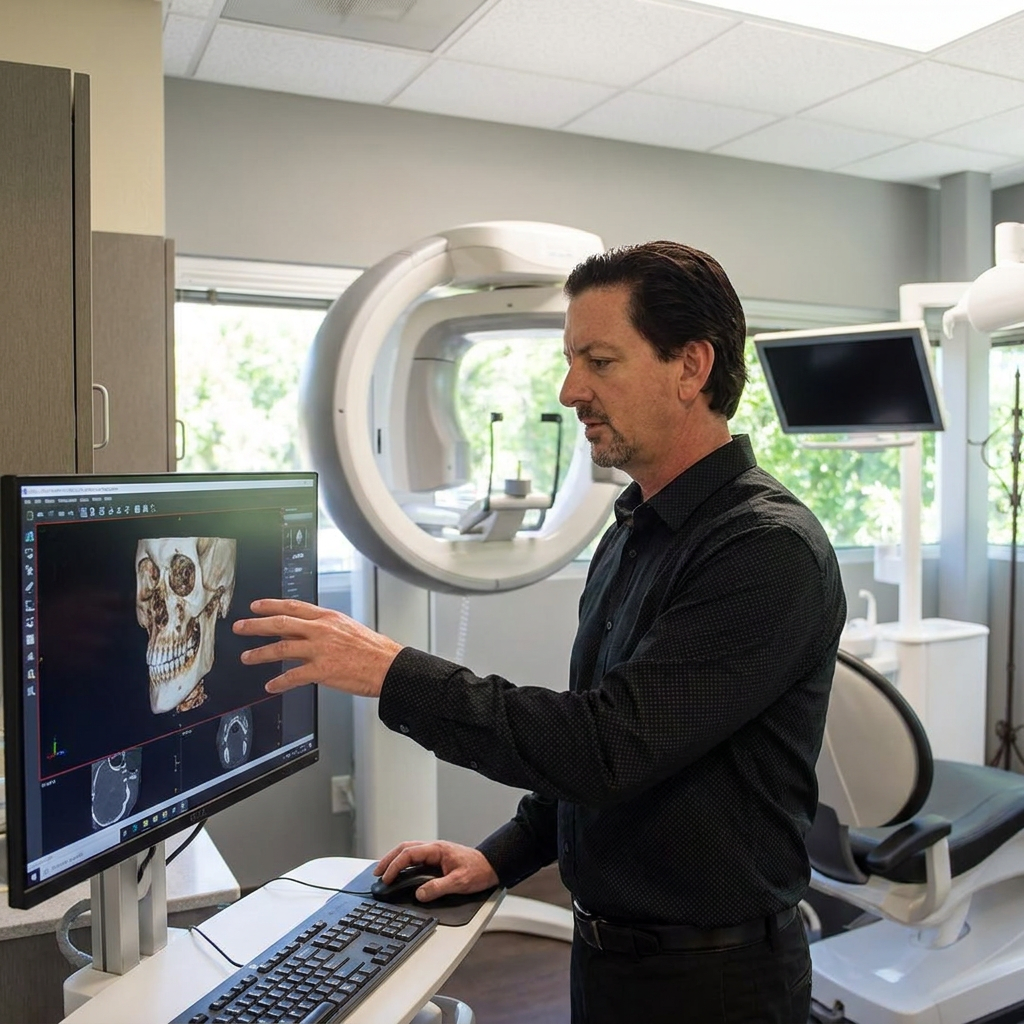
Digital X-rays have replaced traditional film in most modern practices, and the difference matters. Exposure to radiation drops by up to 80 percent compared to conventional film, and images appear on screen in seconds. Your dentist can zoom in, adjust contrast, and highlight a suspicious area right in front of you, so you see exactly what they see.
Intraoral cameras add another layer of detail. A small wand about the size of a pen tip captures high-resolution photos of individual teeth and gum tissue. These images make it easy to track how a crack or a worn filling changes over time. The team at Parkway Dental stores every image digitally, building a visual record that helps your dentist compare visits and catch subtle shifts early.
What to Expect During Your Visit
Your exams & X-rays appointment at Parkway Dental starts with a comfortable series of digital images. You'll bite down gently on a small sensor while the X-ray captures detailed views of your teeth, roots, and jawbone. The whole imaging process takes about five to ten minutes. Your dentist then does a thorough visual exam, checking each tooth, your gums, and soft tissues for anything that needs attention.
Since exams & X-rays are completely non-invasive, there's nothing to recover from. You can eat, drink, and go right back to your day. If your dentist spots an area that needs follow-up, like early decay that could benefit from tooth fillings, you'll get a clear explanation and a plan before you leave the chair.
Before Your Appointment
- Bring a list of any medications and supplements you take, since some can affect how your X-ray results are interpreted.
- Mention any recent tooth sensitivity, jaw clicking, or gum bleeding so your dentist knows which areas to examine more closely.
- Remove metal jewelry or piercings around your face and neck before arriving, as they can block or distort dental X-ray images.
After Your Appointment
- Review the printed findings or treatment plan your dentist sends home so you understand any next steps before your follow-up.
- Keep brushing and flossing normally tonight. Exams and X-rays don't require any changes to your usual oral care routine.
- Watch for any symptoms your dentist flagged during the exam, like sensitivity in a specific tooth, and note if they change or worsen.
Why Our Patients {{p}}Love Us{{/p}}
Frequently Asked Questions
How often should I get dental exams and X-rays?
Most adults do well with exams and X-rays once a year, though your dentist may recommend them every six months if you have active gum disease or a history of frequent cavities. Kids and teens often need them more frequently because their teeth and jaws are still developing.
Are dental X-rays safe during pregnancy?
Yes. Modern digital X-rays produce very low radiation, and a lead apron with a thyroid collar adds extra protection. Many dentists prefer to schedule routine X-rays after delivery, but urgent diagnostic X-rays are considered safe during pregnancy when needed.
Can exams and X-rays detect problems I can't feel yet?
Absolutely. X-rays reveal decay between teeth, bone loss below the gumline, and cysts or infections at the root tip, all of which can develop without any pain. Catching these early often means simpler treatment, like Tooth Fillings instead of Root Canals.
Do digital X-rays expose me to less radiation than traditional film?
Digital sensors cut radiation exposure by up to 80 percent compared to conventional film. A full set of digital X-rays delivers roughly the same radiation you absorb during a short airplane flight. The images also appear on screen instantly, so your dentist can review them with you right away.
At what age should my child start getting dental X-rays?
Dr. Haight only sees children 8 years and older. At that stage, most kids have a mix of baby and permanent teeth, which makes X-rays especially useful for monitoring spacing, development, and early decay. Your dentist will recommend a schedule based on your child's individual risk factors and how their teeth are coming in.
Stay Informed with Expert Insights & Tips About Exams & X-rays

No Blog Posts Yet
We’re working on new articles to help you care for your smile. Check back soon for updates from Parkway Dental.
Let's Get You On The Schedule.
Request your appointment using the form below, or give our office a call to set up your visit.
Book Your Appointment Today
We welcome new patients and families to our Albuquerque practice. Call us or schedule online today.
Friday 8:00 AM – 12:00 PM (By Appointment Only)
Saturday - Sunday Closed

Thank you for booking your appointment!
We’ve received your request and will contact you soon to confirm the details. We look forward to seeing you at Parkway Dental!