


















Periodontal Treatment in Albuquerque, NM
What Is Periodontal Treatment?
Gums that bleed when you brush or floss are easy to ignore, but that bleeding is often the first sign of gum disease. Periodontal treatment targets the infection hiding below your gumline, where regular Dental Cleanings can't reach. Your dentist removes hardened tartar from the roots of your teeth through a process called scaling and root planing, smoothing the root surfaces so gum tissue can reattach firmly.
Left untreated, gum disease quietly destroys the bone that holds your teeth in place. That bone loss is permanent. Periodontal treatment at Parkway Dental stops the damage before it leads to loose teeth or the need for Tooth Extractions. Most patients notice less bleeding and reduced swelling within a few weeks of their first session.
Benefits of Periodontal Treatment
Periodontal treatment targets the infection at its source, and the results go well beyond your gums.
Teeth That Can Feel Stable Again
Gum disease loosens the bone and tissue holding your teeth in place. Treating the infection stops that breakdown, and in many cases, teeth that felt wobbly start to firm up within a few weeks of care. That stability is something patients often notice before their follow-up visit even arrives.
Bleeding Gums That Finally Stop
Gums that bleed when you brush or floss are sending a clear signal. Once bacteria are cleared from below the gumline, most patients notice the bleeding stops within days, not months. Healthy gums that no longer bleed are one of the most visible and rewarding signs that treatment is working.
Protect the Work You Already Have
Dental Implants, Dental Crowns, and other restorations depend on healthy bone and tissue to stay put. Periodontal treatment keeps that foundation intact so your existing dental work lasts the way it should. Without that foundation, even the best restorations can fail over time.
Who Needs Periodontal Treatment?
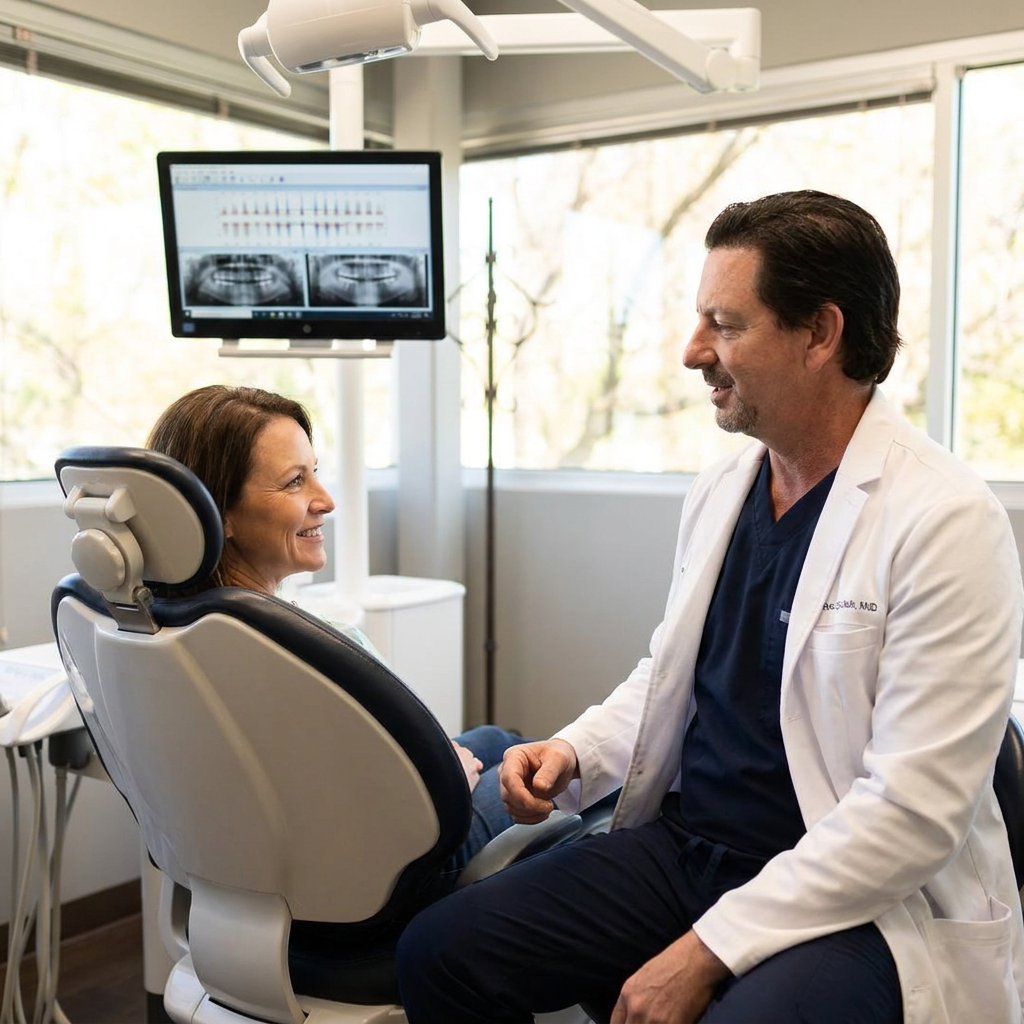
Bleeding when you brush is easy to dismiss, but it is one of the earliest signs that your gums need attention. Gingivitis, the mildest form of gum disease, affects nearly half of adults over 30. Left alone, it progresses into periodontitis, where the bone supporting your teeth starts to break down. Smokers, people with diabetes, and anyone who has gone a few years between Dental Cleanings are at higher risk.
Periodontal treatment also matters if you are planning Dental Implants, because healthy gum tissue is essential for a successful outcome. And gum disease does not always hurt, so many patients in Albuquerque, NM learn about it only during a routine exam. The good part: caught early, most cases respond well to non-surgical treatment and consistent follow-up care.
Advanced Periodontal Treatment Technology
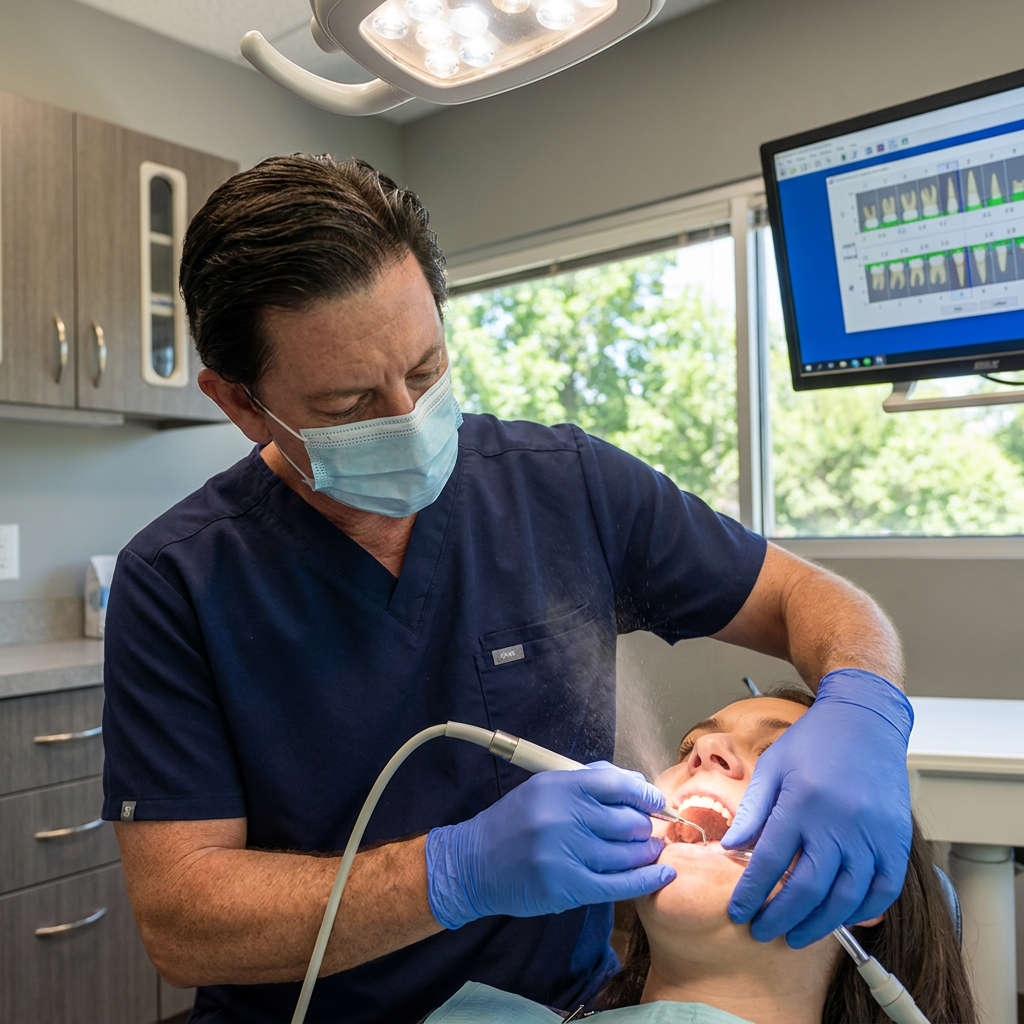
Ultrasonic scalers have changed how periodontal treatment feels. These instruments vibrate at thousands of cycles per second, breaking apart calculus deposits with a fraction of the hand pressure older tools required. A constant water stream flushes bacteria from deep pockets as the scaler works, so the process is faster and more comfortable than manual scraping alone.
At Parkway Dental in Albuquerque, NM, the clinical team also uses Laser Dentistry for targeted gum therapy. A diode laser can remove infected tissue and kill bacteria in periodontal pockets without a scalpel or sutures. Patients typically experience less post-treatment soreness and heal in roughly half the time compared to traditional surgical approaches.
What to Expect During Your Visit
Periodontal treatment starts with a thorough exam, including measurements of the pockets around each tooth. If deeper cleaning is needed, your dentist numbs one section of your mouth at a time so you stay comfortable throughout. A small instrument works below the gumline to remove buildup from the root surfaces. Most visits last about 60 to 90 minutes, and many patients say the numbing is the only part they really notice.
Your gums may feel tender for a day or two afterward, similar to a mild bruise. Warm salt water rinses help during those first few days. Most people return to normal eating within 24 hours. A follow-up visit, usually four to six weeks later, lets the team check how your gum tissue is healing and whether pocket depths have improved.
Before Your Appointment
- Take any prescribed antibiotics exactly as directed before your periodontal treatment, since pre-medication helps reduce bacteria in gum tissue.
- Brush gently along the gumline the morning of your appointment so your dentist can clearly see areas of inflammation during probing.
- Write down which areas of your gums bleed during brushing or feel tender, so you can point them out before treatment begins.
After Your Appointment
- Rinse gently with warm salt water two to three times a day for the first week to keep treated gum tissue clean as it heals.
- Switch to a soft-bristled toothbrush and avoid brushing directly on the treated gum areas for at least five to seven days.
- Hold off on crunchy or sharp foods like chips and raw carrots for about a week so healing gum pockets are not irritated.
Why Our Patients {{p}}Love Us{{/p}}
Frequently Asked Questions
How often do I need follow-up visits after periodontal treatment?
Most patients return every three to four months for maintenance cleanings during the first year. After that, your dentist evaluates your gum health and may adjust the schedule based on how well your tissue has responded.
Can periodontal disease come back after treatment?
It can. Gum disease is a chronic condition, so ongoing maintenance matters. Daily brushing, flossing, and regular Dental Cleanings keep bacteria from rebuilding below the gumline and help protect the progress you have made.
Is periodontal treatment safe during pregnancy?
Yes, and treating active gum disease during pregnancy is actually recommended. Hormonal changes can make gum inflammation worse, so your dentist may suggest specific timing during the second trimester for the most comfort.
Can untreated gum disease lead to tooth loss?
It is the leading cause of tooth loss in adults. The infection gradually breaks down bone that supports your teeth. Early periodontal treatment stops that process and can prevent the need for Dental Implants down the road.
Will periodontal treatment help with persistent bad breath?
In many cases, yes. Chronic bad breath often comes from bacteria trapped in deep gum pockets that regular brushing cannot reach. Cleaning out those pockets removes the source, and most patients notice a real difference within a few weeks.
Stay Informed with Expert Insights & Tips About Periodontal Treatment

No Blog Posts Yet
We’re working on new articles to help you care for your smile. Check back soon for updates from Parkway Dental.
Let's Get You On The Schedule.
Request your appointment using the form below, or give our office a call to set up your visit.
Book Your Appointment Today
We welcome new patients and families to our Albuquerque practice. Call us or schedule online today.
Friday 8:00 AM – 12:00 PM (By Appointment Only)
Saturday - Sunday Closed

Thank you for booking your appointment!
We’ve received your request and will contact you soon to confirm the details. We look forward to seeing you at Parkway Dental!