






















Sealants in Albuquerque, NM
What Are Sealants and How Do They Work?
Sealants are thin protective coatings painted onto the chewing surfaces of back teeth, where most cavities in children and teens start. Those molars have deep grooves that trap food and bacteria, and even careful brushing can miss them. A sealant fills in those grooves with a quick-drying resin, creating a smooth surface that is much easier to keep clean.
The process takes just a few minutes per tooth. Your dentist cleans the surface, applies a mild conditioning gel, rinses it off, and brushes on the sealant material. A curing light hardens it in seconds. There are no shots, no drilling, and no discomfort. Sealants can last five to ten years with normal wear, and your dentist checks them during regular Dental Cleanings to make sure they are still intact.
Benefits of Sealants
Sealants do one thing really well: they keep decay out of the teeth that are hardest to keep clean on your own.
Shields the Grooves You Can't Brush
Back teeth have deep pits and fissures that trap food and bacteria even with good brushing. A sealant fills those grooves with a thin resin layer, so there is nowhere for decay to start. That protection is most important for the back molars that see the most daily use and the hardest brushing angles.
Done in One Quick Painless Visit
Each tooth takes about a minute. Your dentist paints the resin on, hardens it with a curing light, and you're finished. No drilling, no numbing, no soreness afterward. Most kids barely notice the process, and many are surprised when the dentist says they are done. It is one of the most painless things we do.
Years of Cavity Prevention Ahead
A single sealant can protect a tooth for up to ten years with normal wear. Your dentist checks them during routine dental cleanings and can touch up any spots that thin over time. That long-term protection means fewer cavities and less time sitting in the dental chair over the coming years.
Who Benefits Most from Sealants?

Kids between six and fourteen are the most common candidates. Those first permanent molars come in with deep grooves that a toothbrush can't always reach, and food and bacteria settle in fast. If your child has already had a cavity in a baby tooth, sealants on the adult teeth can head off the same pattern. Your dentist can spot high-risk grooves during routine Exams & X-rays and recommend sealants before decay gets a foothold.
Adults benefit too, especially if you still have cavity-free molars with deep pits. Sealants work just as well on grown-up teeth that haven't been filled yet. They're also a smart pairing with Fluoride Treatments for anyone prone to decay. The material bonds directly to enamel and holds up for years under normal chewing, so the protection is real and long-lasting.
Today's Sealant Materials and Techniques
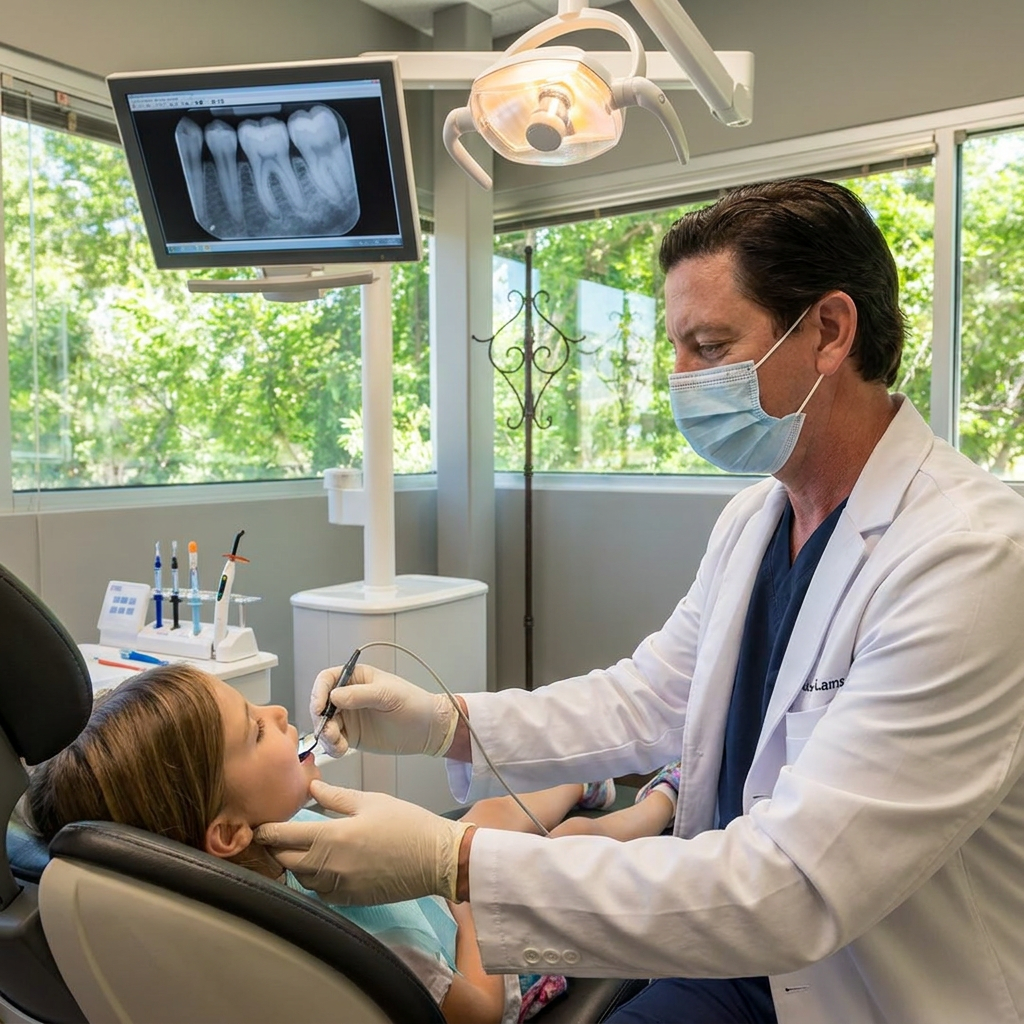
Earlier sealant formulas sometimes wore down within a year or two, especially on kids who ground their teeth or chewed ice. Current resin-based sealants bond more tightly to enamel and resist chipping far better. The materials used at Parkway Dental are BPA-free, which is a common concern parents raise. They cure harder and hold up longer than the products available even a decade ago.
Placement has gotten more precise, too. Moisture contamination used to be the main reason sealants failed early, because saliva would prevent a good bond. Modern isolation techniques and faster-setting resins have largely solved that problem. Your dentist in Albuquerque, NM can also pair sealants with Fluoride Treatments during the same visit, giving teeth two layers of defense without adding extra appointment time.
What to Expect During Your Visit
Sealants take just a few minutes per tooth, and there are no shots or drilling involved. Your dentist cleans each tooth, applies a mild solution to help the sealant grip the enamel, then rinses and dries the surface. The liquid sealant is painted into the grooves and hardened with a small curing light. You might notice a slight taste from the solution, but that fades quickly. Most kids are in and out in under 30 minutes.
There is no recovery period at all. Your child can eat and drink right away. The sealant feels smooth, and most kids forget it is even there within a day. Sealants hold up well for several years, and your dentist will check them during regular Dental Cleanings to make sure they are still intact.
Before Your Appointment
- Brush your child's back teeth well before the visit, since sealants bond best to clean, plaque-free chewing surfaces.
- Skip sticky snacks like caramel or gummy candy the morning of the appointment so molars are free of residue.
- Mention any teeth sensitivity your child has noticed when chewing, so the dentist can check those grooves first.
After Your Appointment
- Skip chewy or sticky foods like gum, taffy, and gummy candy for the first 24 hours so the sealant can fully harden.
- Run your tongue over the sealed teeth after eating. If a sealant feels rough, chipped, or missing, let your dentist know at your next visit.
- Keep brushing the sealed molars normally, but switch to a soft-bristle brush for the first day to avoid disturbing the fresh coating.
Why Our Patients {{p}}Love Us{{/p}}
Frequently Asked Questions
How long do sealants last before they need to be replaced?
Sealants typically protect teeth for five to ten years. Your dentist checks them during regular Dental Cleanings and can touch up any areas that have worn thin, so the protection stays consistent over time.
Can adults get sealants or are they only for kids?
Adults can absolutely get sealants. If you have deep grooves in your molars and no decay or fillings in those teeth, sealants work just as well for you as they do for children. Age is not a limiting factor.
Are sealants safe if my child has allergies or sensitivities?
Sealants are made from BPA-free resin materials and are well tolerated. If your child has a known allergy to specific dental materials, let the team at Parkway Dental know beforehand so they can confirm compatibility.
Do sealants change how teeth feel when chewing?
You might notice a very slight difference in texture for a day or two. The coating is thinner than a strand of hair, so most patients forget it is there within hours. Eating and chewing feel completely normal.
Will sealants still help if my child already has a small cavity?
Sealants work best on healthy teeth with no decay. A tooth with an early cavity usually needs Tooth Fillings instead. Your dentist can spot these issues during an exam and recommend the right option for each tooth.
Stay Informed with Expert Insights & Tips About Sealants

No Blog Posts Yet
We’re working on new articles to help you care for your smile. Check back soon for updates from Parkway Dental.
Let's Get You On The Schedule.
Request your appointment using the form below, or give our office a call to set up your visit.
Book Your Appointment Today
We welcome new patients and families to our Albuquerque practice. Call us or schedule online today.
Friday 8:00 AM – 12:00 PM (By Appointment Only)
Saturday - Sunday Closed

Thank you for booking your appointment!
We’ve received your request and will contact you soon to confirm the details. We look forward to seeing you at Parkway Dental!