





















Tooth Extractions in Albuquerque, NM
What Are Tooth Extractions?
Tooth extractions remove a tooth that is too damaged, infected, or crowded to stay in your mouth safely. Sometimes a tooth cracks below the gumline after an injury. Other times, decay reaches so deep that Root Canals can no longer save it. Your dentist numbs the area completely before loosening the tooth with specialized instruments, and most simple extractions take under 30 minutes.
Surgical extractions handle teeth that haven't fully erupted or have curved roots anchored in the bone. The team at Parkway Dental in Albuquerque, NM uses careful technique to protect surrounding bone and tissue, which matters if you plan to replace the tooth later with Dental Implants. Recovery is typically straightforward, with most patients returning to normal eating within three to five days.
Benefits of Tooth Extractions
Tooth extractions do more than remove a problem tooth. They clear the way for healing, better function, and real next steps.
Your Pain Stops Not Just Pauses
A tooth that's cracked below the gumline or deeply infected can cause pain that antibiotics only quiet temporarily. Removing it eliminates the source, so you get lasting relief instead of another cycle of flare-ups. That permanent relief is what most patients notice most after leaving the office.
Help Protect the Teeth Around It
A badly damaged tooth can push infection or decay into its neighbors. Taking it out early keeps surrounding teeth and bone intact, which gives you stronger options like Dental Implants down the road. Acting sooner rather than later protects more of what you already have.
Back to Eating in Days, Not Weeks
Most patients return to normal meals within three to five days. Soft foods for the first 48 hours, then a gradual return to your regular diet as the site heals. Recovery is shorter than most people expect. Your body does most of the healing work on its own, and we guide you through every step.
When Tooth Extractions Make Sense

A tooth that keeps you up at night with throbbing pain may have damage too deep for Root Canals or Dental Crowns to fix. Severe decay, a crack that runs below the gumline, or an infection that has eaten away supporting bone can all reach a point where saving the tooth would cause more problems than removing it. Tooth extractions are also common before orthodontic work when crowding leaves no room for teeth to shift into proper alignment.
Teens and young adults often need wisdom teeth removed once X-rays show they are pressing against neighboring roots or growing in sideways. Adults dealing with advanced gum disease sometimes reach a stage where loosened teeth put the rest of the arch at risk. Your dentist at Parkway Dental will walk you through exactly why extraction is the right call and what replacement options, like Dental Implants, look like for your specific situation.
Advanced Tooth Extractions Technology
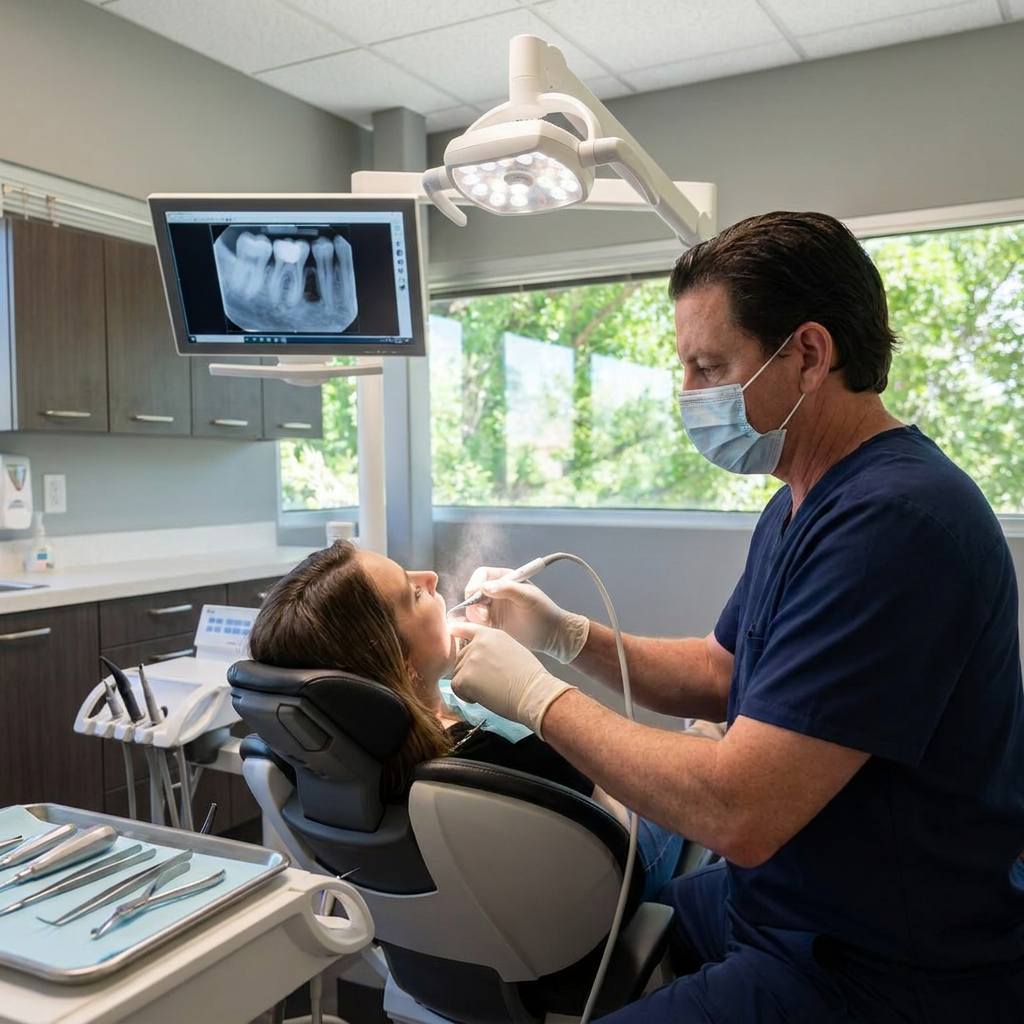
Digital X-rays and 3D cone beam imaging let your dentist see the full root structure, nerve pathways, and bone density before making a single move. That level of detail means fewer surprises during the procedure and a more targeted approach that preserves healthy tissue around the extraction site. Compared to traditional film X-rays, digital scans expose you to roughly 80% less radiation.
Piezoelectric instruments use ultrasonic vibrations to cut through bone without affecting soft tissue, which reduces swelling and speeds healing. Parkway Dental also pairs these tools with precise local anesthetics delivered through computer-controlled systems that regulate flow rate, so the numbing process itself feels like mild pressure rather than a sharp pinch. The result is a quicker, more comfortable experience from start to finish.
What to Expect During Your Visit
Your dentist numbs the area around the tooth completely before anything else happens, so you feel pressure but not pain. For a simple extraction, the tooth is loosened and removed in one piece, often in under 20 minutes. Teeth that sit below the gumline or have curved roots may need a small incision, but the numbing keeps you comfortable throughout.
You'll bite down on gauze for about 30 to 45 minutes afterward to help a clot form. Most people manage any soreness with over-the-counter pain relief for a day or two. Stick to soft foods for the first 48 hours, and avoid using a straw. The socket typically closes within one to two weeks, and your dentist will check healing at a short follow-up visit.
Before Your Appointment
- Eat a solid meal two to three hours before your extraction, since you won't be able to chew comfortably for a while afterward.
- Mention any blood thinners, aspirin, or supplements like fish oil to your dentist ahead of time, as these can affect clotting at the extraction site.
- Arrange a ride home if your dentist plans to use any form of sedation, and wear a short-sleeved shirt for easy IV access if needed.
After Your Appointment
- Bite down on the gauze pad for 30 to 45 minutes after leaving. Replace it with a fresh one if bleeding continues.
- Skip straws, spitting, and swishing for the first 24 hours. Suction can pull the blood clot loose and delay healing.
- Rinse gently with warm salt water starting the day after your extraction, about four to five times a day, for the next week.
Why Our Patients {{p}}Love Us{{/p}}
Frequently Asked Questions
How soon can I eat normally after tooth extractions?
Most people return to normal eating within 5 to 7 days. You can start with soft foods like yogurt and scrambled eggs right away, then add firmer foods as the site heals and soreness fades.
Can tooth extractions affect nearby teeth over time?
Neighboring teeth can gradually shift into the open space over months or years. Your dentist may recommend Dental Implants or Dental Bridges afterward to keep your bite aligned and prevent long-term movement.
Is it safe to have tooth extractions during pregnancy?
Extractions can be performed during pregnancy when necessary, typically in the second trimester. Your dentist will coordinate with your OB-GYN and choose medications that are safe for both you and your baby.
How long does the extraction site take to fully heal?
Soft tissue usually closes within two to three weeks. The underlying bone remodels over three to six months. During that time, most daily activities are unaffected after the first week.
Are there situations where saving the tooth is a better option?
If enough healthy tooth structure remains, Root Canals can often preserve it. Your dentist at Parkway Dental will review your X-rays and recommend extraction only when repair is no longer a predictable option.
Stay Informed with Expert Insights & Tips About Tooth Extractions

No Blog Posts Yet
We’re working on new articles to help you care for your smile. Check back soon for updates from Parkway Dental.
Let's Get You On The Schedule.
Request your appointment using the form below, or give our office a call to set up your visit.
Book Your Appointment Today
We welcome new patients and families to our Albuquerque practice. Call us or schedule online today.
Friday 8:00 AM – 12:00 PM (By Appointment Only)
Saturday - Sunday Closed

Thank you for booking your appointment!
We’ve received your request and will contact you soon to confirm the details. We look forward to seeing you at Parkway Dental!