

























Root Canals in Albuquerque, NM
What Are Root Canals and How Do They Work?
A toothache that wakes you up at night or makes hot coffee unbearable is often a sign that the nerve inside your tooth is inflamed or infected. Root canals treat that problem at the source. Your dentist removes the damaged tissue from inside the tooth, cleans and shapes the narrow canals where the nerve lives, then seals everything to prevent reinfection. The whole process typically takes one to two visits.
What surprises most patients is how similar it feels to getting a filling. The tooth is numbed completely, and you should feel pressure but not pain. Once the interior is sealed, your dentist at Parkway Dental usually protects the tooth with Dental Crowns to restore its full shape and strength. The result is a tooth you can chew on normally for years to come, instead of losing it to Tooth Extractions.
Benefits of Root Canals
Root canals do one thing really well: they let you hold on to a natural tooth that still has years of solid use left in it.
Your Own Natural Tooth Stays Put
Nothing bites, chews, or feels quite like a real tooth. A root canal removes the infected tissue inside while keeping the outer structure intact, so your bite stays balanced and familiar. Saving the tooth also means no gap in your smile and no need for an implant or bridge to fill it later.
One Visit Can Stop Weeks of Pain
That throbbing ache that wakes you up at 2 a.m. usually ends the same day as your appointment. Most patients at Parkway Dental say the relief is almost immediate once the source of infection is gone. Walking out without that relentless pain is something most patients were not expecting to feel so quickly.
A Stronger Finish with Dental Crowns
After the inside of the tooth is cleaned and sealed, your dentist typically places Dental Crowns over it. The crown absorbs chewing force so the treated tooth can handle everyday meals without any extra thought. Most patients chew on the treated tooth within a week and forget which one it was within a month.
When Root Canals Become Necessary

A tooth that wakes you up at night with a deep, throbbing ache is often sending a clear signal. The nerve inside has become infected or inflamed, usually from a cavity that went deeper than expected, a crack in the tooth, or repeated dental work on the same spot. Root canals treat that infection at the source so you keep your natural tooth instead of losing it.
Adults of any age can need this treatment, and it happens more often than you might think. Sometimes there is no pain at all, just a dark spot on an X-ray or a small bump on the gum that comes and goes. Left untreated, the infection can spread and the tooth may eventually require Tooth Extractions. After a root canal, your dentist typically protects the tooth with Dental Crowns to restore its full strength and shape.
Advanced Technology Behind Today's Root Canals
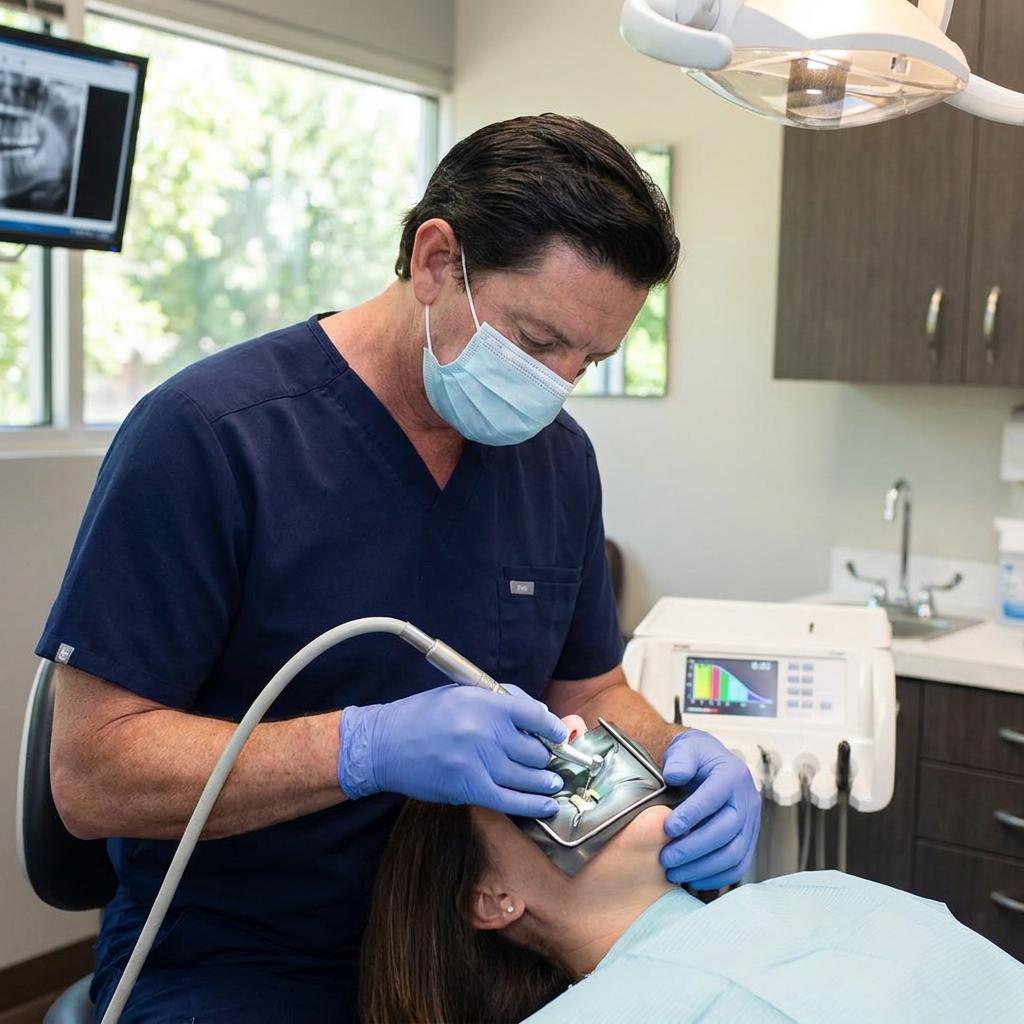
Older root canal techniques relied on two-dimensional X-rays and hand files that could miss narrow or curved canals. Today your dentist uses electronic apex locators to measure each canal's depth down to a fraction of a millimeter, so nothing is left untreated. Rotary nickel-titanium instruments flex with the canal's natural curve, making the cleaning process faster and more thorough than rigid steel files ever could.
Digital X-rays at Parkway Dental produce images in seconds with up to 80 percent less radiation than traditional film. That means your dentist can check progress mid-procedure without long waits or unnecessary exposure. Biocompatible filling materials also bond more reliably inside the canal, creating a tighter seal that holds up over time. For patients in Albuquerque, NM, these improvements add up to shorter appointments and a more comfortable experience overall.
What to Expect During Your Visit
Root canals start with thorough numbing, and your dentist will make sure the area is completely comfortable before anything else happens. A small opening in the tooth lets the dentist reach the inner pulp, clean it out, and shape the canals. You'll feel some vibration and light pressure, but no sharp pain. Most root canals in Albuquerque, NM take about 60 to 90 minutes from start to finish.
Afterward, some mild soreness around the tooth is normal for two to three days. Over-the-counter pain relievers handle it well for most people. Your dentist will place a temporary filling, and you'll return for dental crowns to protect the tooth long-term. Most patients are chewing normally again within a week.
Before Your Appointment
- Eat a solid meal about two hours before your appointment, since the numbing around your tooth can last three to four hours afterward.
- Mention any current pain, swelling, or antibiotics you've been taking for the infected tooth so your dentist can adjust the treatment plan.
- Take your usual medications as normal, but bring a list of them so your dentist can confirm nothing will interact with the local anesthetic.
After Your Appointment
- Chew on the opposite side of your mouth for the first few days while the treated tooth settles and any temporary filling sets fully.
- Skip hard, crunchy foods like nuts or chips near the treated tooth for about a week, since the tooth can be brittle until your permanent crown is placed.
- Brush gently around the root canal site starting the next day, but avoid pressing hard on the tooth until your dentist confirms the final restoration is in place.
Why Our Patients {{p}}Love Us{{/p}}
Frequently Asked Questions
How long does a tooth last after root canals?
Most teeth treated with root canals last 10 to 15 years or longer. A tooth protected with Dental Crowns afterward tends to hold up especially well because the crown absorbs daily chewing forces.
Can I eat normally after a root canal heals?
Once your tooth is fully restored, usually within a couple of weeks, you can eat everything you did before. Steak, apples, crunchy vegetables. The treated tooth functions just like your other teeth.
Is a root canal safer than pulling the tooth?
Keeping your natural tooth avoids the bone loss that follows Tooth Extractions. It also means you won't need a bridge or implant to fill the gap, which saves you additional procedures down the road.
Are root canals safe during pregnancy?
Root canals are generally safe during pregnancy, especially in the second trimester. Your dentist will skip standard X-rays when possible and choose medications that are appropriate for expectant mothers.
How often will I need follow-up visits after a root canal?
Your dentist will typically check the tooth at your next regular visit, then monitor it on routine Exams & X-rays once a year. Most root canal teeth need no additional treatment beyond that standard schedule.
Stay Informed with Expert Insights & Tips About Root Canals

No Blog Posts Yet
We’re working on new articles to help you care for your smile. Check back soon for updates from Parkway Dental.
Let's Get You On The Schedule.
Request your appointment using the form below, or give our office a call to set up your visit.
Book Your Appointment Today
We welcome new patients and families to our Albuquerque practice. Call us or schedule online today.
Friday 8:00 AM – 12:00 PM (By Appointment Only)
Saturday - Sunday Closed

Thank you for booking your appointment!
We’ve received your request and will contact you soon to confirm the details. We look forward to seeing you at Parkway Dental!