Back to Blogs

5 Things to Know Before Your Professional Teeth Cleaning

Prioritizing professional dental cleanings and consistent home care is essential for preventing issues, managing gum health, and enhancing overall well-being.

October 7, 2026
•
2 min read
Benjamin, wearing a striped long-sleeve shirt, leans on a kitchen counter, carefully examining a toothbrush in his hand, with a coffee mug and newspaper nearby.
Back to Blogs

5 Things to Know Before Your Professional Teeth Cleaning

Benjamin, wearing a striped long-sleeve shirt, leans on a kitchen counter, carefully examining a toothbrush in his hand, with a coffee mug and newspaper nearby.

Prioritizing professional dental cleanings and consistent home care is essential for preventing issues, managing gum health, and enhancing overall well-being.

October 7, 2026
•
2 min read

Importance of Dental Cleanings

Regular professional dental cleanings are more than just about a brighter smile; they are a cornerstone of maintaining optimal oral health. These appointments effectively remove plaque and tartar buildup, which everyday brushing and flossing often miss.

Consistent cleanings help prevent serious issues like cavities and gum disease, contributing significantly to your overall well-being. Benjamin, a man in his mid-40s, recently relocated to Albuquerque and realized it had been far too long since his last dental check-up.

He felt a slight dull ache in one molar and noticed his gums sometimes bled when he brushed. Worried, Benjamin decided it was time to establish care with a local dentist. He called Parkway Dental in Albuquerque, hoping to get his oral health back on track. Benjamin’s primary goal was to address his concerns and understand what a professional dental cleaning entailed after such a long hiatus.

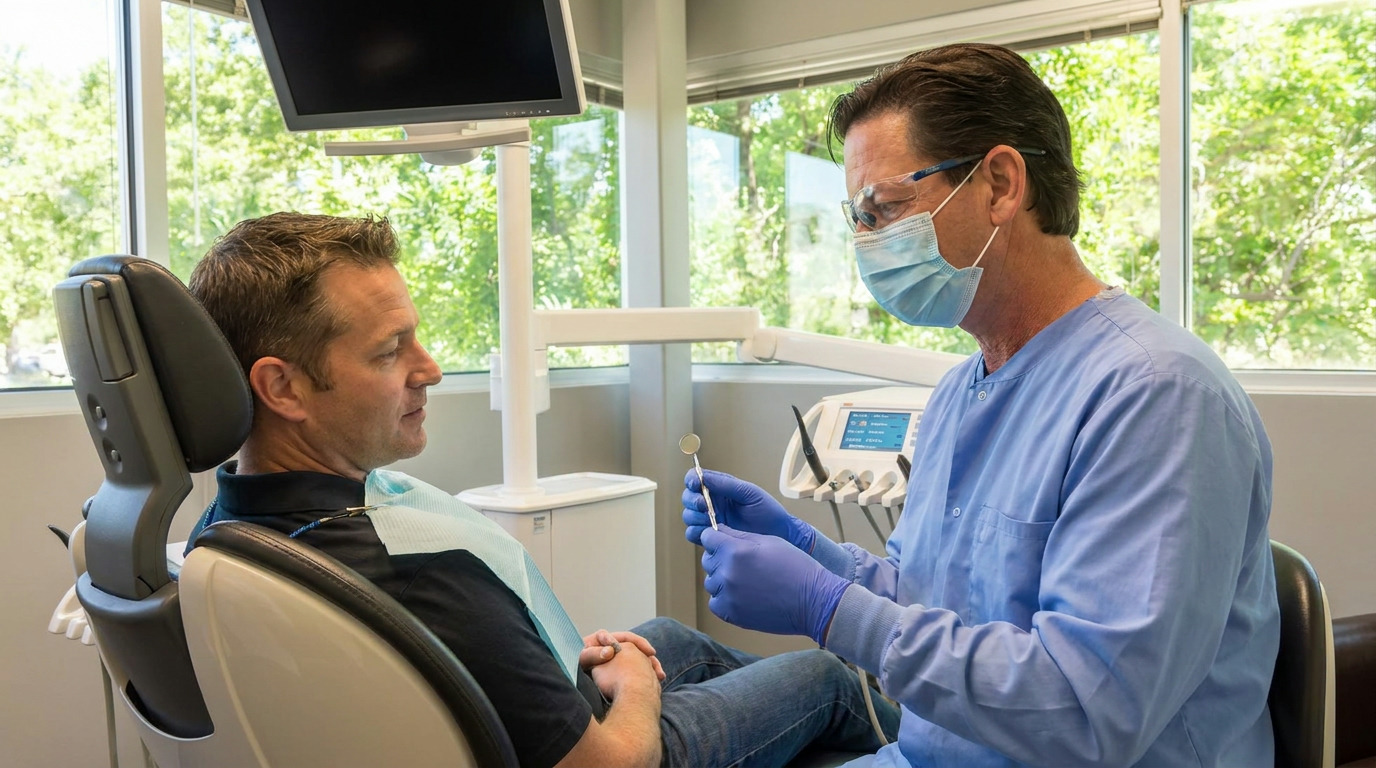
A male dentist in blue scrubs, mask, and safety glasses holds a dental mirror while looking at a male patient in a dental chair with a light blue bib, in a bright dental operatory with large windows.

How Often Should You Get Cleaned?

The general recommendation for most adults is to schedule dental cleanings every six months. This frequency allows Dr. Michael Haight and his team to routinely monitor oral health and remove any accumulating plaque and tartar before they cause significant damage.

However, this is a general guideline, and individual needs can certainly vary. Benjamin admitted to the dental hygienist that it had been several years since his last visit. He had previously believed cleanings were only necessary if he experienced pain.

The hygienist explained that many factors influence the ideal cleaning schedule for each person. For example, individuals with specific health conditions or a history of gum disease may benefit from more frequent visits. Dr. Michael Haight always tailors his recommendations based on a thorough examination of each patient’s unique oral health profile.

Factors Affecting Your Cleaning Frequency

  • Gum Disease History: Patients with a history of periodontal disease often require cleanings every three to four months to manage the condition effectively.
  • Oral Hygiene Habits: Even with diligent brushing and flossing, some individuals are more prone to plaque and tartar buildup due to genetics or saliva composition.
  • Underlying Health Conditions: Certain systemic diseases, like diabetes, can impact oral health, necessitating more frequent professional care.
  • Lifestyle Choices: Smoking or a diet high in sugary foods can increase the risk of dental problems, suggesting more regular check-ups.
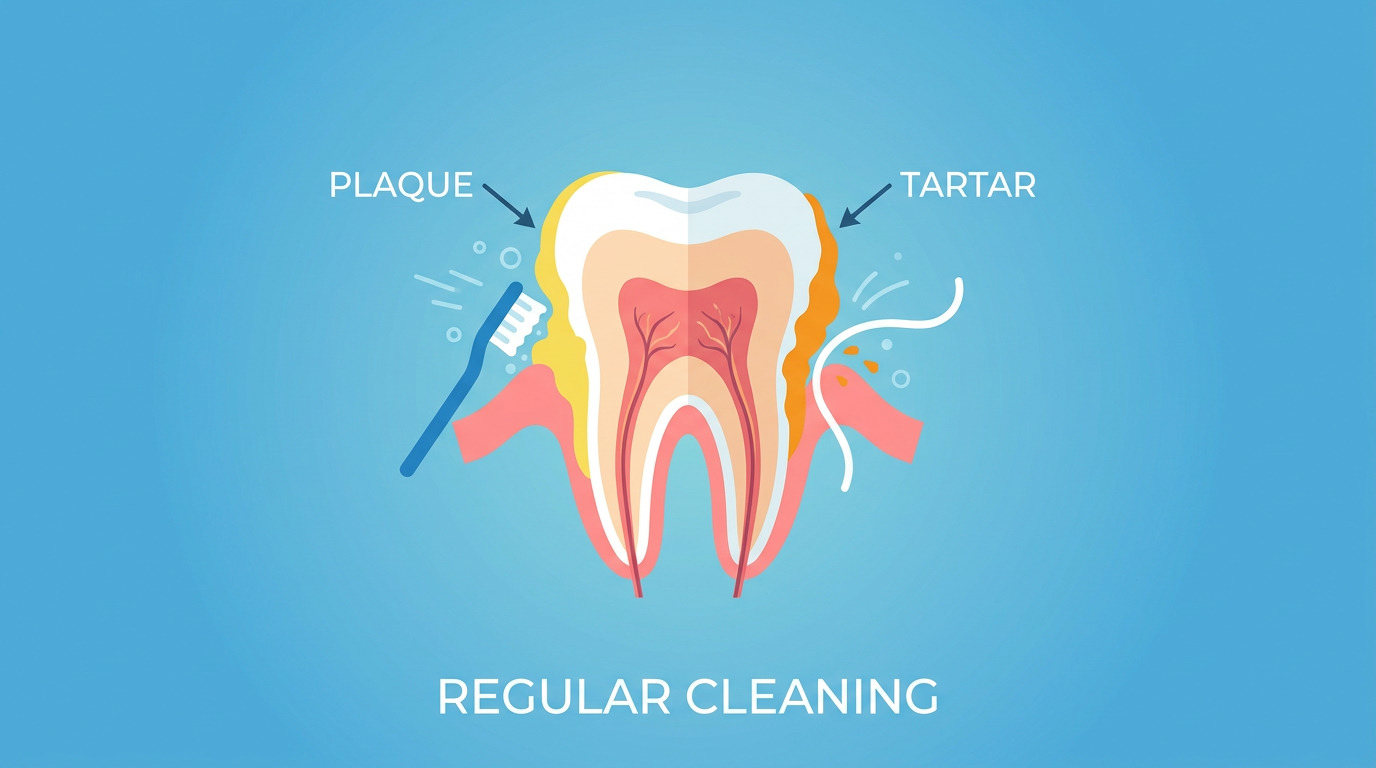
Illustration of a tooth cross-section with yellow plaque and orange tartar, a toothbrush cleaning plaque, and floss removing tartar, with text labels "PLAQUE", "TARTAR", and "REGULAR CLEANING" on a blue background.

What Happens During a Cleaning?

A professional dental cleaning typically involves several steps, all designed to thoroughly cleanse your teeth and assess your oral health. The process is primarily focused on removing plaque and tartar, which are the main culprits behind cavities and gum inflammation.

Patients can generally expect the appointment to last about 30 to 60 minutes, depending on the extent of buildup. Benjamin felt a bit apprehensive about the cleaning process itself, not knowing what to expect. The hygienist walked him through each stage, reassuring him that comfort was a top priority.

She began by visually inspecting his mouth, noting any areas of concern before proceeding with the cleaning. Dr. Michael Haight's team uses gentle, yet effective, techniques to ensure a comfortable experience for every patient. Understanding each step can significantly alleviate any anxiety.

Key Steps in a Routine Dental Cleaning

  • Initial Examination: The hygienist, and often Dr. Michael Haight himself, will perform a thorough visual inspection to check for cavities, gum inflammation, and other potential issues.
  • Plaque and Tartar Removal: Specialized instruments are used to carefully scrape away hardened plaque (tartar) from tooth surfaces and just below the gum line. This is the scaling process.
  • Polishing: After scaling, a high-powered electric brush and gritty toothpaste are used to polish the teeth, removing any remaining surface stains and making the tooth surface smooth.
  • Flossing: The hygienist will thoroughly floss between your teeth to remove any plaque or paste residue and highlight areas where you might need to improve your technique.
  • Rinsing: Patients rinse their mouths to wash away debris, leaving a fresh, clean feeling.
  • Fluoride Treatment (Optional): A fluoride application may be offered to help strengthen tooth enamel and protect against cavities.
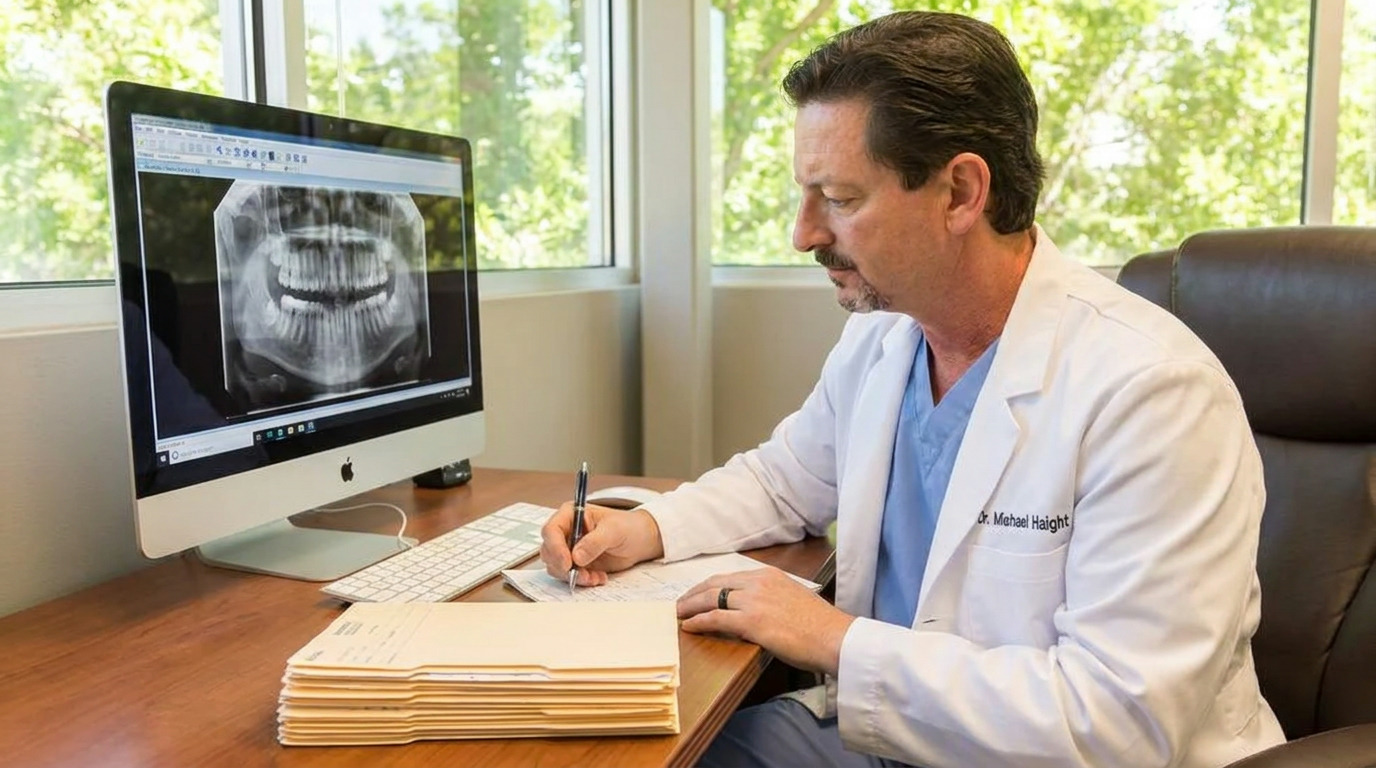
Dr. Michael Haight, wearing a white lab coat over blue scrubs, sits at a desk writing on paper while looking at a computer monitor displaying a dental X-ray.

When Is Deep Cleaning Necessary?

While routine cleanings focus on surfaces above and just below the gum line, a "deep cleaning," also known as scaling and root planing, is necessary when gum disease has progressed. This more intensive procedure addresses inflammation and infection by cleaning deeper pockets between the teeth and gums.

It's a critical step in managing periodontal disease. During Benjamin's initial assessment, Dr. Michael Haight noted some areas of concern regarding his gums. He gently explained that Benjamin had several gum pockets measuring deeper than healthy levels.

This indicated early to moderate gum disease, necessitating a deep cleaning in certain quadrants of his mouth. Dr. Michael Haight emphasized that early intervention with a deep cleaning could prevent further bone loss and save Benjamin's teeth from more extensive damage. This was an unexpected but crucial insight for Benjamin.

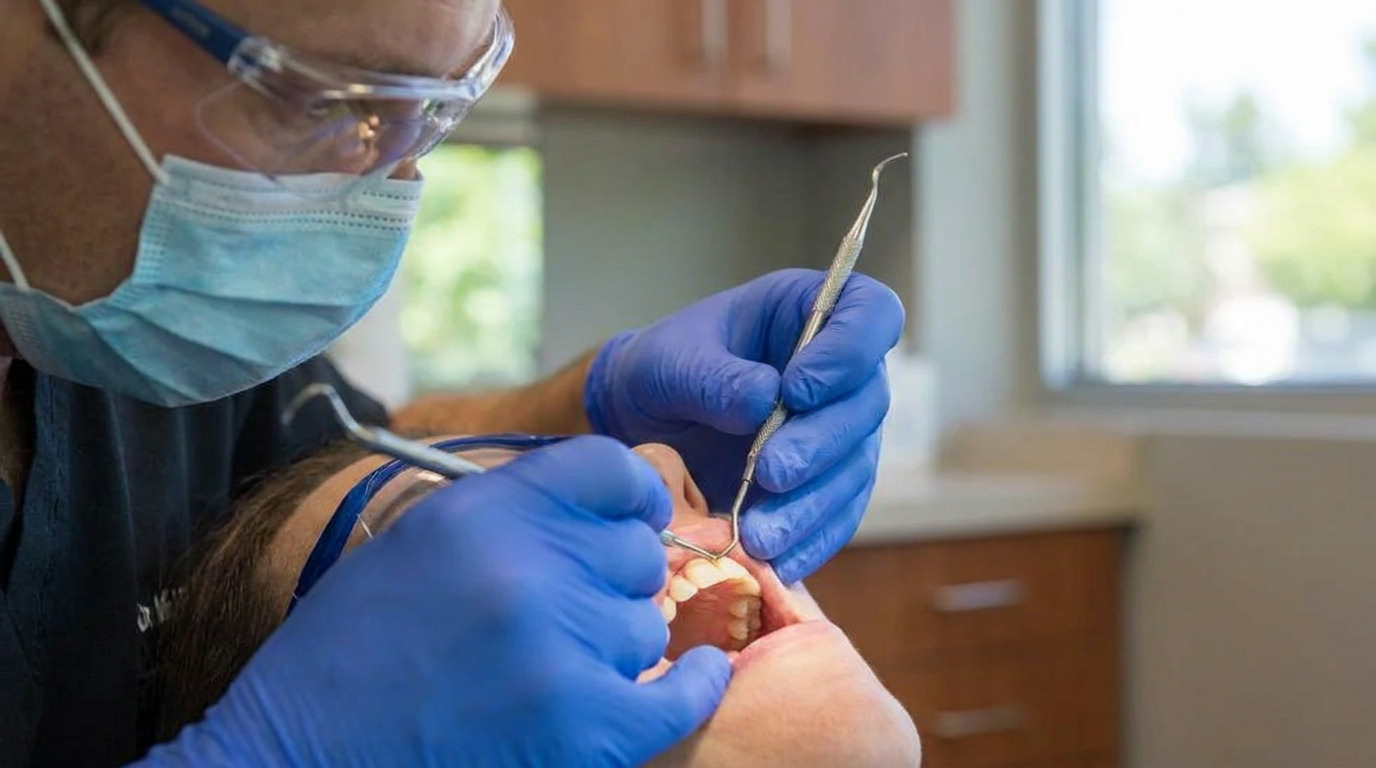
A dentist wearing a mask, safety glasses, and blue gloves uses dental tools to examine a patient's open mouth.

Schedule Your Dental Cleaning in Albuquerque

Don't wait for discomfort to prompt your next dental visit. Prioritize your oral health today by scheduling a professional dental cleaning and exam with Dr. Michael Haight and the experienced team at Parkway Dental. We are dedicated to providing comprehensive, compassionate care to patients across Albuquerque, helping you maintain a healthy, beautiful smile for years to come. Contact us to book your appointment and experience the difference of personalized dental care.

Managing Discomfort and Anxiety

Many people experience some degree of anxiety or discomfort regarding dental appointments, especially if it has been a long time since their last visit. Fortunately, modern dentistry offers various options to make your dental hygiene visit as comfortable as possible.

Open communication with Dr. Michael Haight and his team is always the first step. Benjamin shared his apprehension about the potential for sensitivity during his deep cleaning. The team at Parkway Dental listened empathetically, assuring him that they had several strategies to ensure his comfort.

They explained options tailored to his specific needs and anxiety levels. Ensuring a positive experience is paramount, and the dental staff are well-versed in helping patients relax. They understand that a comfortable patient is more likely to maintain regular appointments.

Comfort Options for Dental Cleanings

  • Topical Anesthetic Gels: These can be applied to numb the gum tissue before scaling, reducing sensitivity.
  • Local Anesthesia: For deeper cleanings, a local anesthetic can be administered to completely numb the treatment area, ensuring no pain during the procedure.
  • Nitrous Oxide Sedation: Often called "laughing gas," nitrous oxide helps patients relax and feel more at ease during their appointment.
  • Oral Sedation: For those with higher anxiety, an oral sedative taken before the appointment can induce a deeper state of relaxation.
  • Comfort Amenities: Parkway Dental often provides amenities like blankets, pillows, and music to enhance patient comfort.
Catherine sits in a plush armchair with her eyes closed, hands resting in her lap, covered by a knitted blanket, next to a side table with headphones and a glass of water, in a room with large windows and plants.

Benefits Beyond a Bright Smile

The advantages of routine professional cleanings extend far beyond just having whiter teeth and fresh breath. These visits play a vital role in preventing serious oral health issues that can have systemic implications. Regular cleanings are a proactive investment in your long-term health.

Benjamin learned that his gum disease, if left untreated, could contribute to issues elsewhere in his body. Dr. Michael Haight explained the connection between oral health and overall health, highlighting how infections in the mouth can impact cardiovascular health or diabetes management.

This revelation was a powerful motivator for Benjamin. He began to understand that preventing cavities and gum disease through consistent cleanings could save him from more invasive and costly procedures like root canals or extractions down the line. A healthy mouth truly contributes to a healthier body.

A green apple cut in half, with a bite taken from one piece, sits next to a glass of water on a rustic wooden table.

What About Home Care?

While professional dental cleanings are indispensable, they are only one part of the equation for optimal oral health. Diligent home care practices between appointments are equally crucial in maintaining the benefits of your cleaning.

This daily routine forms the frontline defense against plaque and tartar buildup. Benjamin realized he needed to step up his home care routine, especially after learning about his gum condition. The hygienist provided him with personalized tips and demonstrated proper brushing and flossing techniques.

She emphasized that consistency was key, not just occasional effort. Dr. Michael Haight always stresses that the partnership between the patient’s home care and the practice's professional care is what yields the best results. Patients are empowered when they understand their role in maintaining their oral health.

Essential Home Care Practices

  • Brush Twice Daily: Use a soft-bristled toothbrush and fluoride toothpaste, brushing for at least two minutes each time, covering all tooth surfaces and along the gum line.
  • Floss Daily: Flossing removes food particles and plaque from between teeth and under the gum line, areas your toothbrush can't reach.
  • Use Mouthwash: An antimicrobial mouthwash can help reduce bacteria and freshen breath, though it's not a substitute for brushing and flossing.
  • Healthy Diet: Limit sugary snacks and drinks, which feed bacteria and contribute to plaque formation.
  • Regular Check-ups: Ensure you keep your scheduled professional dental cleanings and exams.
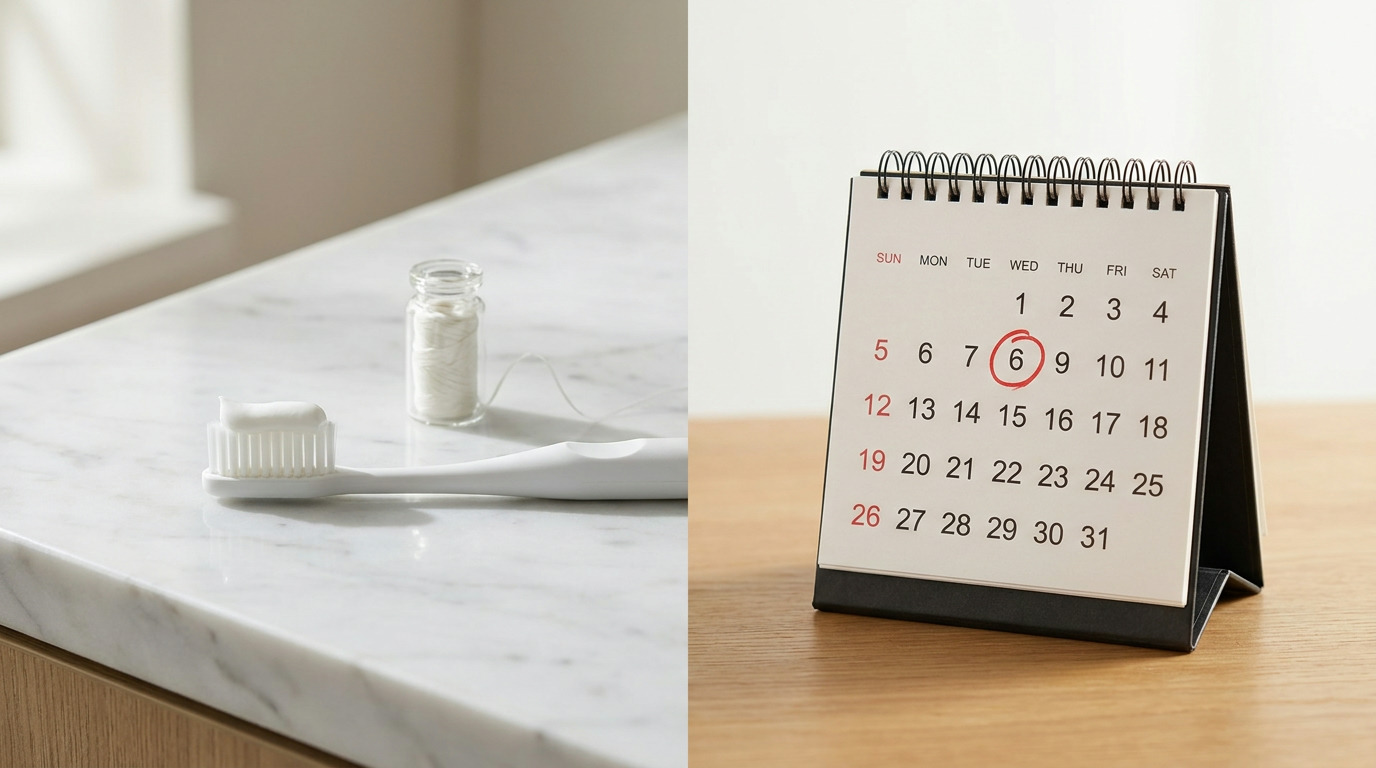
A white toothbrush with toothpaste and a small vial of dental floss rest on a marble counter next to a desk calendar with the number 6 circled in red.

A Proactive Approach to Health

Benjamin left Parkway Dental with a clear understanding of his oral health needs and a plan for improving them. What started as a vague worry transformed into a confident step towards better well-being, thanks to the thorough care and explanations provided by Dr. Michael Haight and his team.

He felt informed, reassured, and motivated to maintain his oral health. His deep cleaning appointments were scheduled, and he now understood why those regular six-month check-ups were so vital, not just for his teeth, but for his entire body. Benjamin committed to his new home care routine, armed with the knowledge that these daily habits were powerful tools.

He reflected on how easily he could have let his concerns fester, potentially leading to more serious and uncomfortable issues. Instead, he chose a proactive path, finding a dental home in Albuquerque that prioritized education and patient comfort. Benjamin's experience underscored the profound value of taking an active role in one’s health journey, starting with a simple, yet essential, dental cleaning. His smile, and his peace of mind, were certainly brighter.

Benjamin, smiling, pours water from a clear carafe into a glass on a wooden kitchen island, wearing a teal shirt. Sunlight streams through a large window, illuminating the modern kitchen with a sink, plants, and a fruit bowl.
Categories:
No items found.

Frequently Asked Questions

1. How long does a routine dental cleaning typically take?
A standard professional dental cleaning at Parkway Dental usually takes between 30 to 60 minutes. This timeframe allows the hygienist to thoroughly remove plaque and tartar, polish your teeth, and for Dr. Michael Haight to perform a comprehensive exam, ensuring all aspects of your oral health are addressed effectively.

2. What should I do if my gums bleed after a cleaning?
It's common for gums to be slightly sensitive or bleed a little immediately after a deep cleaning, especially if you had significant plaque or inflammation. This usually subsides quickly. If bleeding persists or is heavy, it’s best to contact Dr. Michael Haight’s office at Parkway Dental for guidance.

3. Can a dental cleaning help with bad breath?
Yes, a professional dental cleaning can significantly improve or eliminate chronic bad breath (halitosis). Bad breath is often caused by bacteria accumulating in plaque and tartar. Removing these deposits during a cleaning eliminates a primary source of odor-causing bacteria, leaving your mouth feeling fresh.

4. How can I prepare for my dental cleaning appointment?
To prepare for your cleaning, simply continue your regular brushing and flossing routine. If you have any specific concerns or anxieties, feel free to communicate them to the Parkway Dental team when you schedule or upon arrival. This helps Dr. Michael Haight's staff tailor your experience for maximum comfort.

5. Is fluoride treatment included with a regular cleaning?
Fluoride treatment is often offered as an optional but highly recommended step after a routine dental cleaning. It helps strengthen tooth enamel and protect against cavities. Dr. Michael Haight and his team will discuss whether it’s beneficial for your specific oral health needs during your visit.

6. Does Parkway Dental offer options for anxious patients during cleanings?
Absolutely. Parkway Dental understands that some patients experience anxiety, and we offer several sedation dentistry options, including nitrous oxide, to help you relax during your cleaning. Dr. Michael Haight and his compassionate team are dedicated to ensuring a comfortable and stress-free experience for every patient.


BECOME PART OF THE FAMILY

Ready to Experience the Difference?

Join the Albuquerque families who have trusted Parkway Dental with their smiles for over 20 years. From gentle cleanings to advanced restorative and cosmetic care, Dr. Haight and our team are here to help you feel comfortable, cared for, and confident in every visit. Schedule your appointment today and see why our patients keep coming back.


BLOG & RESOURCES

Dental Health Tips & Insights

Stay informed with expert advice from our dental professionals

This is some text inside of a div block.

5 Things to Know Before Your Professional Teeth Cleaning

Prioritizing professional dental cleanings and consistent home care is essential for preventing issues, managing gum health, and enhancing overall well-being.

October 7, 2026
This is some text inside of a div block.

What Is Laser Dentistry and How It Works

Laser dentistry offers precise, minimally invasive dental procedures with reduced discomfort and faster healing, improving treatment outcomes for various oral health needs.

September 9, 2026
This is some text inside of a div block.

How Advanced Crown Technology Works Today

Advanced crown technology has revolutionized dental restorations, offering patients stronger, more precise, and often same-day crowns through innovations like CAD/CAM and digital impressions.

August 6, 2026
GET IN TOUCH

Let's Get You On The Schedule.

Request your appointment using the form below, or give our office a call to set up your visit.

Book Your Appointment Today

We welcome new patients and families to our Albuquerque practice. Call us or schedule online today.

ADDRESS
10409 Montgomery Pkwy NE Ste 201, Albuquerque, NM 87111, USA
Monday to Thursday: 8:00 AM – 12:00 PM, 1:00 PM – 5:00 PM
Friday 8:00 AM – 12:00 PM (By Appointment Only)
Saturday - Sunday Closed

Book An Appointment

Thank you for booking your appointment!

We’ve received your request and will contact you soon to confirm the details. We look forward to seeing you at Parkway Dental!

Oops! Something went wrong while submitting the form.