1. What is laser dentistry used for?
Laser dentistry is utilized for various procedures, including treating gum disease, reshaping gum tissue, removing decay, and performing biopsies. Dr. Michael Haight employs it for its precision, which often leads to less pain, bleeding, and faster healing compared to traditional methods.
2. Is laser dentistry painful?
Most patients report little to no pain during laser dentistry procedures. The precision of the laser often reduces the need for anesthesia and minimizes discomfort, making it a preferred option for those with dental anxiety. Dr. Michael Haight aims for the most comfortable experience possible.
3. How long does recovery take after laser dental treatment?
Recovery times are generally much quicker with laser dentistry due to its minimally invasive nature. Patients often experience less swelling and bleeding, allowing for a faster return to normal activities, sometimes within a day or two. Dr. Michael Haight provides specific aftercare instructions.
4. Is laser dentistry safe for everyone?
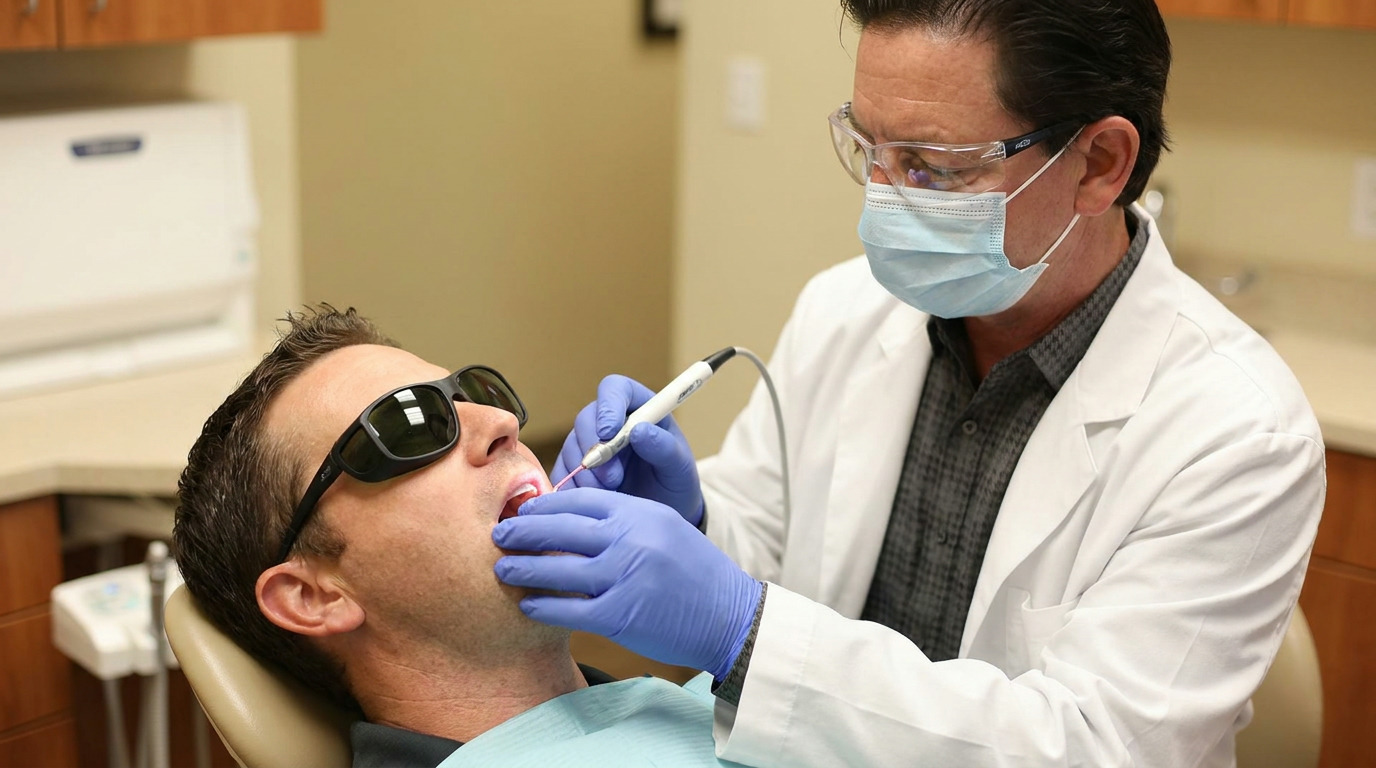
Laser dentistry is considered very safe when performed by an experienced professional like Dr. Michael Haight. He assesses each patient's individual needs and health history to determine if it's the most appropriate treatment. Protective eyewear is always used to ensure safety during the procedure.
5. What are the benefits of laser gum treatment?
Laser gum treatment offers several benefits, including reduced bleeding, less post-operative pain, and faster healing. It precisely removes infected tissue and bacteria, promoting healthier gums with minimal discomfort. Dr. Michael Haight finds it highly effective for periodontal care.
6. Can lasers treat cavities?
Yes, certain types of dental lasers can effectively treat cavities. They can precisely remove decayed tooth material, often without the need for a traditional dental drill, which can reduce discomfort and anxiety for many patients. Dr. Michael Haight evaluates if this is suitable for your cavity.