1. How long does wisdom tooth extraction take?
A single tooth removal often takes twenty to thirty minutes, while removing all four molars typically requires about an hour. Total appointment time varies based on the degree of tooth impaction and the patient's chosen comfort options. Dr. Michael Haight evaluates your specific anatomy beforehand so you know what timeframe to anticipate.
2. Does wisdom teeth surgery hurt?
Patients remain numb throughout the appointment using local anesthetics, and optional sedation methods help maintain relaxation. While you may sense gentle movement or light pressure, the procedure itself is designed for comfort. Mild soreness after the numbing medication wears off is normal and can be managed with approved pain medications.
3. When can I eat solid foods after surgery?
Most patients stick to soft liquids and smooth purees for the first forty-eight hours after their procedure. Tender items like scrambled eggs and soft pasta can usually be reintroduced around day three or four. Crunchy, hard, or spicy foods should be avoided until the extraction sockets heal sufficiently.
4. What is a dry socket and how is it managed?
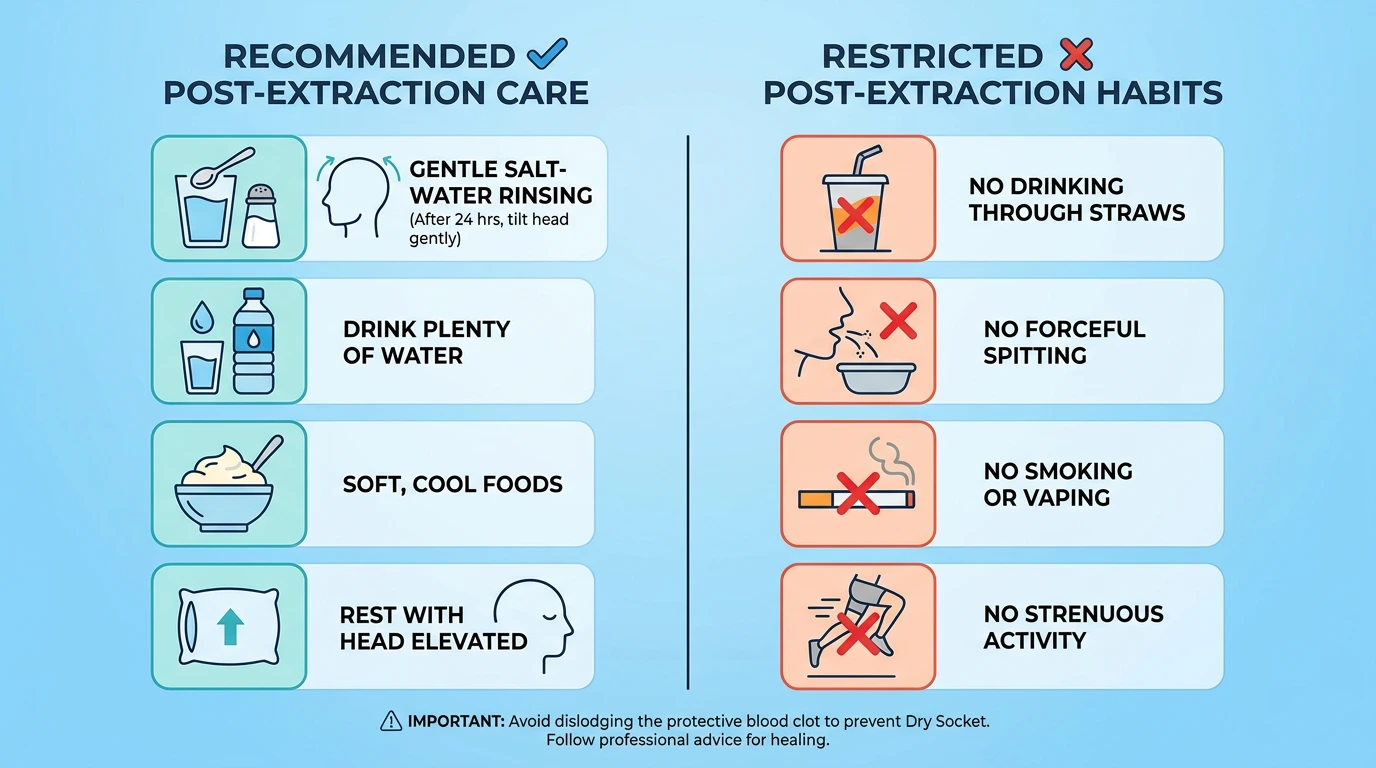
A dry socket occurs if the blood clot inside the extraction site dislodges, exposing underlying bone and nerves to air and food. This condition leads to throbbing pain that radiates toward the ear. If you suspect a dislodged clot, contact Dr. Michael Haight for a gentle medicated dressing that soothes irritation.
5. Do all wisdom teeth need to be removed?
Not every third molar requires extraction. If molars emerge completely upright, align properly with opposing teeth, and remain easily cleanable, they can sometimes stay in place. However, Dr. Michael Haight frequently recommends preventive removal if emerging teeth crowd adjacent roots, trap harmful oral bacteria, or develop painful impactions.
6. How many days should I take off from work or school?
Most individuals plan for two to three full days of rest following third molar removal. Taking this brief downtime helps limit swelling, allows your body to rest, and prevents accidental disruption to the healing blood clots. Patients with physically demanding jobs may benefit from taking several additional days before returning.